Articles

Interior Design Tokyo On What’s next in Office architecture?

Interior Design Tokyo

Konnichiwa – Embracing Tokyo’s Vibrant Workplace Evolution

Konnichiwa! As a creative Interior Designer with more than 20 years dedicated to crafting emotional, people-centric spaces, I feel profound joy witnessing how Tokyo’s workplaces are transforming with such thoughtful energy. In 2026, Japan’s capital remains a powerhouse of innovation, finance, technology, and creative industries. Prime business districts like Marunouchi, Otemachi, Shibuya, and Roppongi pulse with activity, where sleek towers house global corporations alongside agile startups.Interior Design Tokyo

Office density stays high in these central hubs, yet real estate trends show a clear shift: low vacancy rates in Grade A buildings, strong pre-commitments for new supply, and growing demand for flexible, amenity-rich spaces. Hybrid work has become the norm—around 70% of Japanese firms now embrace it—reducing reliance on fixed desks while increasing the need for offices that truly draw people in. Work culture in Tokyo beautifully balances wa (harmony) and discipline with a rising desire for flexibility, belonging, and meaningful connection. Employees seek environments that support focused tasks, lively collaboration, and personal wellbeing amid busy commutes and long-standing corporate traditions.

This dynamic landscape calls for forward-looking Interior Design Tokyo that moves beyond efficiency to create experiences that honour both professional goals and human needs.

The Shift from Static Offices to Dynamic, Experience-Led Environments

From my global perspective and deep local insight, office architecture is undergoing a gentle yet profound revolution. Traditional static layouts—rows of desks focused purely on operational efficiency—are giving way to dynamic, layered environments that prioritise people, culture, and adaptability.

The modern workplace is no longer merely a place to complete tasks; it has become a vibrant platform for collaboration, innovation, spontaneous connection, and shared purpose. In Tokyo’s competitive talent market, where companies vie to attract and retain skilled professionals, offices must feel inspiring and nurturing rather than obligatory. This evolution reflects broader changes in how we work: hybrid models allow choice, while the office itself becomes the heart for building relationships and sparking ideas.

Future-Focused Strategies Shaping Tomorrow’s Workplaces

Looking ahead, several key strategies are guiding thoughtful office design. Activity-based working (ABW) allows teams to choose settings that match their tasks—whether energetic brainstorming or quiet concentration. Flexible spatial planning creates multi-functional zones that adapt throughout the day and evolve with the organisation’s needs. Hybrid integration ensures seamless transitions between in-office and remote work, with technology that supports both.

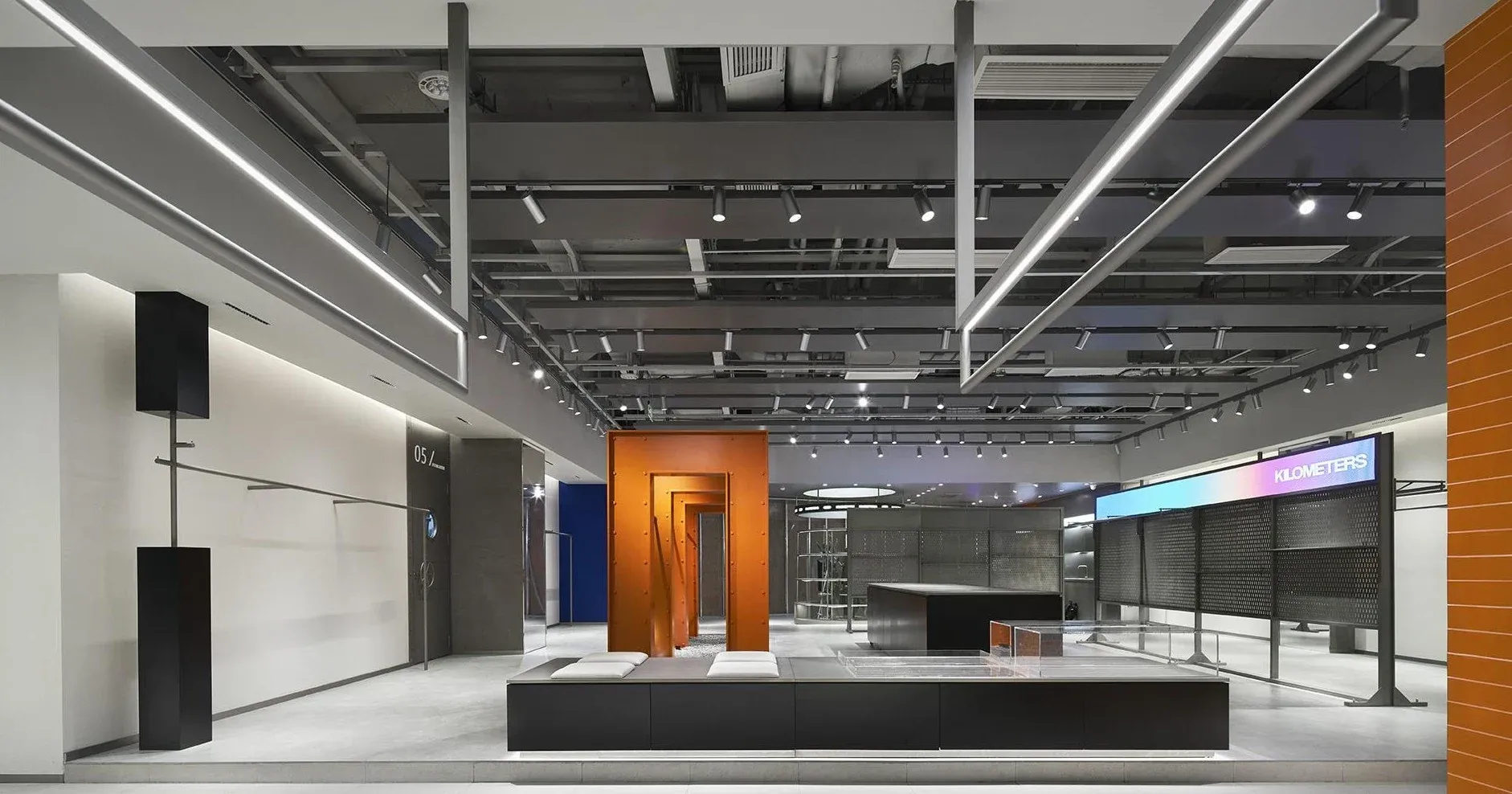
These environments become more experiential and layered: spatial zoning guides natural movement and flow, rich materiality adds warmth and depth, strategic lighting shifts mood and energy, and integrated technology enhances usability without overwhelming the senses. The result is a space that feels alive, responsive, and deeply supportive.

Prioritising Human-Centric Design for Wellbeing and Inclusivity

At the core of meaningful design lies a warm commitment to human experience. Employee wellbeing, mental health, comfort, and inclusivity are no longer nice-to-haves—they are essential. Generous natural light, biophilic elements like living greenery and organic forms, thoughtful acoustic control, ergonomic furniture, and dedicated wellness areas all contribute to healthier, more productive workplaces.

In Tokyo’s fast-paced environment, these features help reduce stress, foster calm focus, and encourage genuine connection. Spaces that feel nurturing invite people to bring their whole selves to work, leading to higher engagement and a stronger sense of belonging.

Integrating Technology and Sustainability for Future Readiness

Technology and sustainability now weave seamlessly into the fabric of great office design. Smart systems optimise space utilisation through data insights, while intuitive tools support hybrid collaboration. Energy-efficient solutions and environmentally responsible materials reduce impact and align with Japan’s strong cultural respect for harmony with nature.

Adaptability remains critical—designs must anticipate change, whether driven by team growth, new technologies, or shifting work patterns. This forward-thinking approach ensures offices remain relevant and valuable for years to come.

Insights from Award-Winning Projects: Lessons in Emotional Impact

Through our firm’s multiple award-winning workplace projects, we have learned that the most successful offices solve real human and business challenges with creativity and care. In one Tokyo project for a global innovation-driven client, we transformed a conventional floor into a layered ecosystem of zones: lively collaboration hubs that spark spontaneous ideas, serene focus pods for deep thinking, and welcoming social areas that encourage informal omotenashi-style connections.

By integrating subtle biophilic touches, dynamic lighting, and acoustic harmony, we addressed the challenge of hybrid attendance while strengthening team culture. The measurable outcomes were heartwarming—improved collaboration scores, higher employee satisfaction, and a noticeable boost in brand perception as a progressive employer. These experiences reinforce that when design nurtures emotion and connection, business performance naturally follows.

Localisation: Infusing Tokyo’s Spirit into Global Design Excellence

True excellence always listens to its place. In Tokyo, we adapt every strategy to local context—respecting seasonal changes and seismic considerations, honouring cultural preferences for harmony and precision, and responding to the unique rhythms of business districts where long commutes meet a deep appreciation for quality and detail.

We weave in elements that feel authentically Japanese: subtle nods to minimalism and craftsmanship, spaces that support both individual reflection and group consensus, and designs that embrace sustainability in ways that resonate with national values. This thoughtful localisation ensures our Interior Design Tokyo feels relevant and rooted while upholding the highest global standards of innovation and emotional resonance.

Connecting Design Innovation to Lasting Business Success

When workplaces are designed with care, the benefits extend far beyond aesthetics. Enhanced collaboration leads to richer ideas. Greater employee satisfaction supports talent attraction and retention in a competitive market. Stronger cultural connection boosts engagement and loyalty. Ultimately, these human-centred environments contribute to organisational resilience, creativity, and long-term success.

Shaping the Future of Work in Tokyo with Heart and Vision

As we look toward what’s next in office architecture, I remain deeply optimistic. Offices can—and should—be places that nurture the human spirit while empowering exceptional work.

As your dedicated creative Interior Designer specialising in emotional, people-centric spaces, our firm stands ready as a forward-thinking workplace design authority. We combine award-winning global expertise with intimate understanding of Tokyo’s evolving needs to deliver innovative, adaptive, and deeply nurturing environments.

Whether you are in Marunouchi planning a corporate headquarters or in Shibuya nurturing a creative team, let us help shape an office that feels like a true extension of your culture—one that invites people in, supports their best selves, and inspires what’s possible.

Konnichiwa and warmest regards—let’s create workplaces that truly care for the people within them.

Ready to begin this meaningful journey? I look forward to listening to your vision.

sustainable innovation hub with people at its core.

Connect with us in Interior Design Tokyo

Linkedin, Facebook, Instagram, Youtube,and more

Share
go top