Bilingual from the brief
English and Japanese content, enquiry and review pathways help local and international stakeholders work from the same priorities.
SATU / TOKYO
SATU is an international multidisciplinary design company established in 2011. We connect interior design, brand experience and project delivery across Asia-Pacific. For Tokyo clients, that perspective begins with a close reading of the brief, the building and the people who will use it.
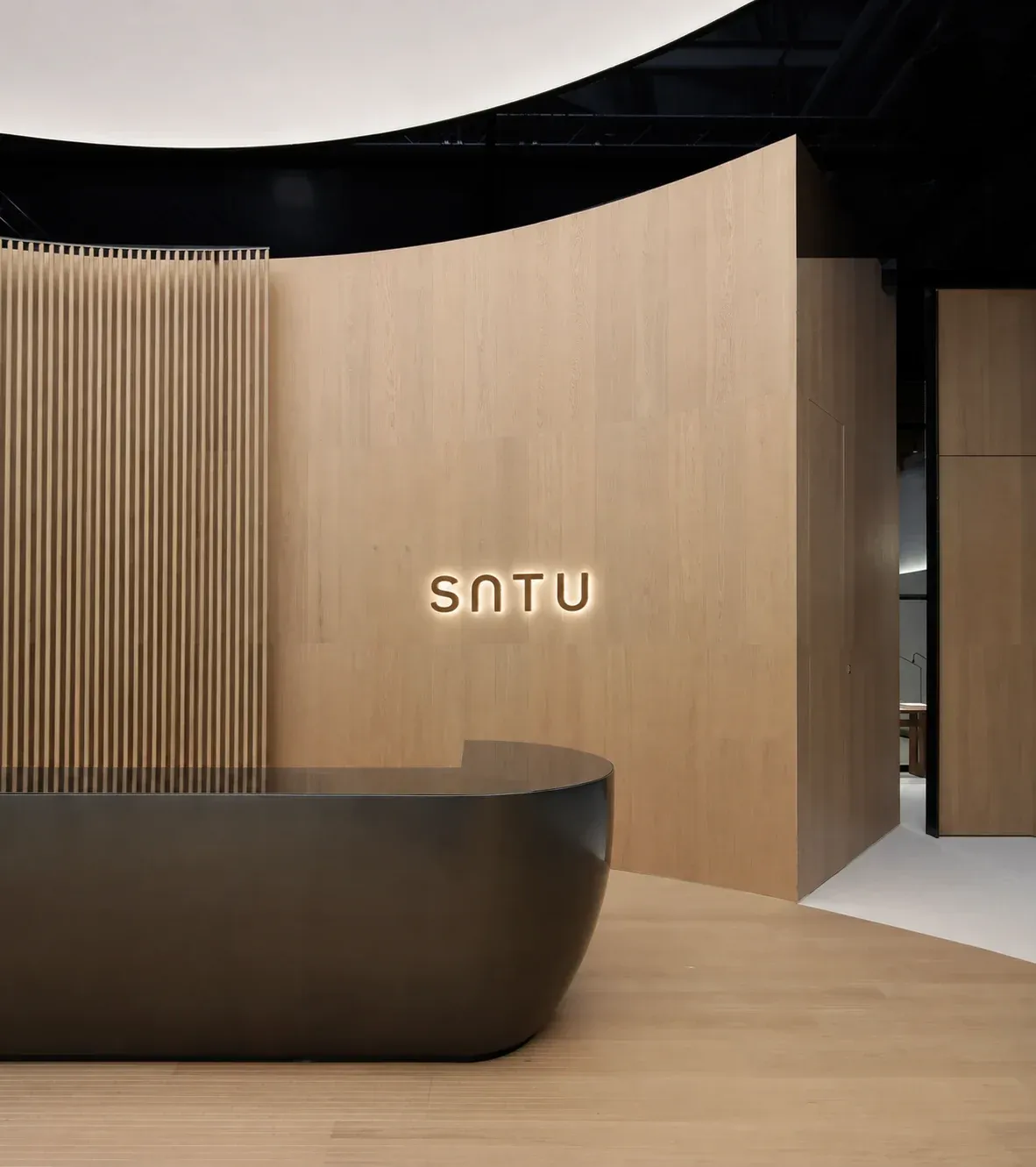
01 / TOKYO PRACTICE
English and Japanese content, enquiry and review pathways help local and international stakeholders work from the same priorities.
Deliverables, responsibilities, exclusions and decision points are made visible before design advances.
Brand expression, customer or guest journeys and everyday operational needs are considered together.
Building interfaces, specialist input, procurement and handover are connected to the design conversation.
A Tokyo project may bring a global brand team, a local operator, a building manager and specialist suppliers into the same conversation. Our role is to make the brief understandable and the decisions traceable, so that ambition is carried into the everyday details of a space.
We work from use and context rather than a fixed signature. A store, a workplace and a home need different rhythms. What stays consistent is the attention to movement, material, light and the clarity of the process. Regional experience gives the team a wider set of questions; the answer should still belong to the individual brief.
Visit SATU Design ↗Define use, audience, site and investment priorities before choosing a visual direction.
Compare layouts and material ideas against the brief; make the important decisions visible.
Connect the interior package with specialists, building review, procurement and programme.
Review execution, resolve outstanding items and prepare for the agreed handover.
FAQ
This city website presents SATU’s interior design offer for Tokyo and connects to the wider SATU Design practice. The international perspective supports a locally defined brief, team and delivery scope.
We begin with use, audience and constraints, then compare spatial and material options. The chosen direction needs to explain both the intended experience and how it can be implemented.
We can agree a review schedule, decision log and shared brief for distributed stakeholders. The appointment should specify communication responsibilities and the people authorised to approve changes.
Look at circulation, material relationships, the sequence of rooms and the stated project scope. A complete gallery is more useful than a single cover image when discussing what is relevant to your own brief.