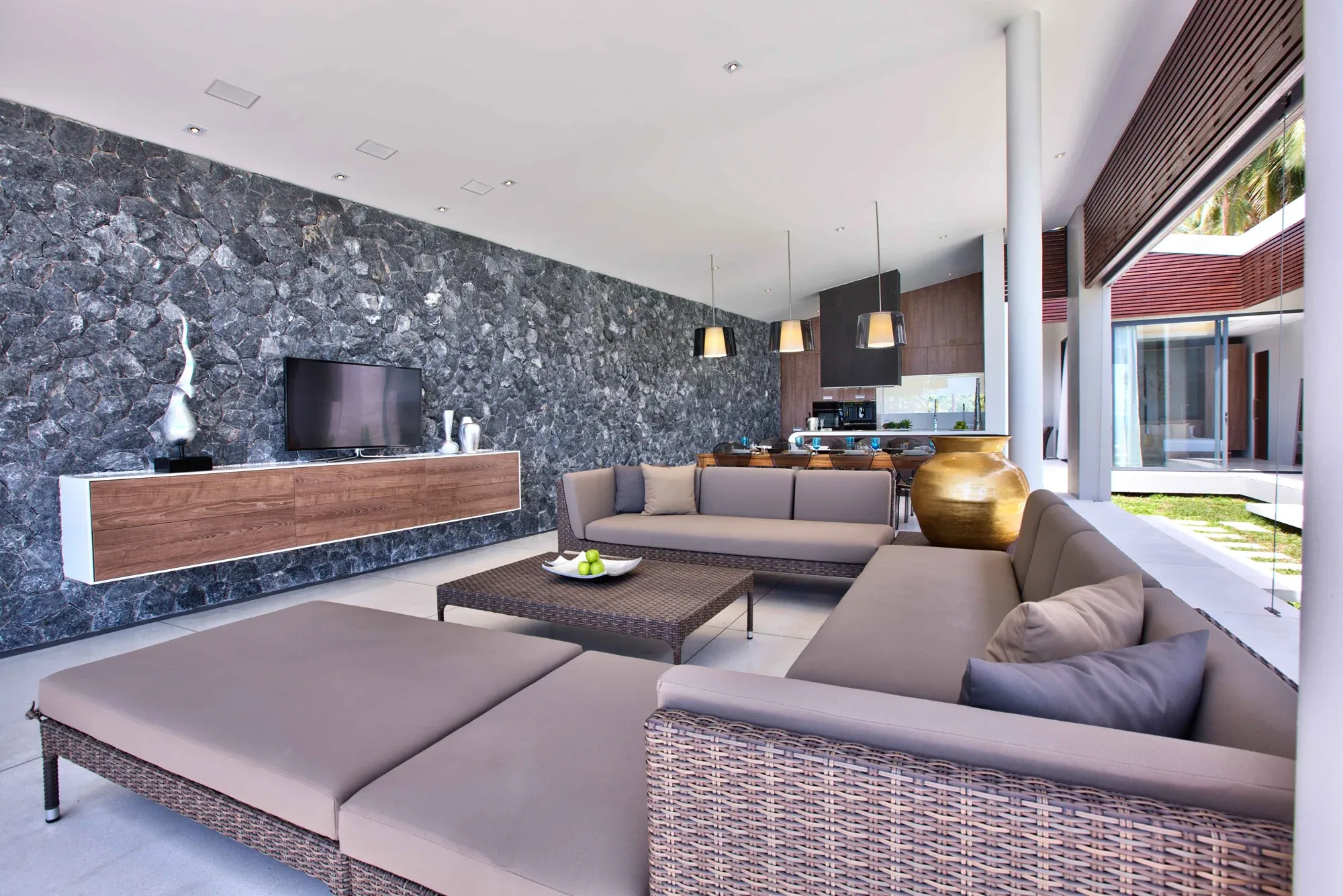
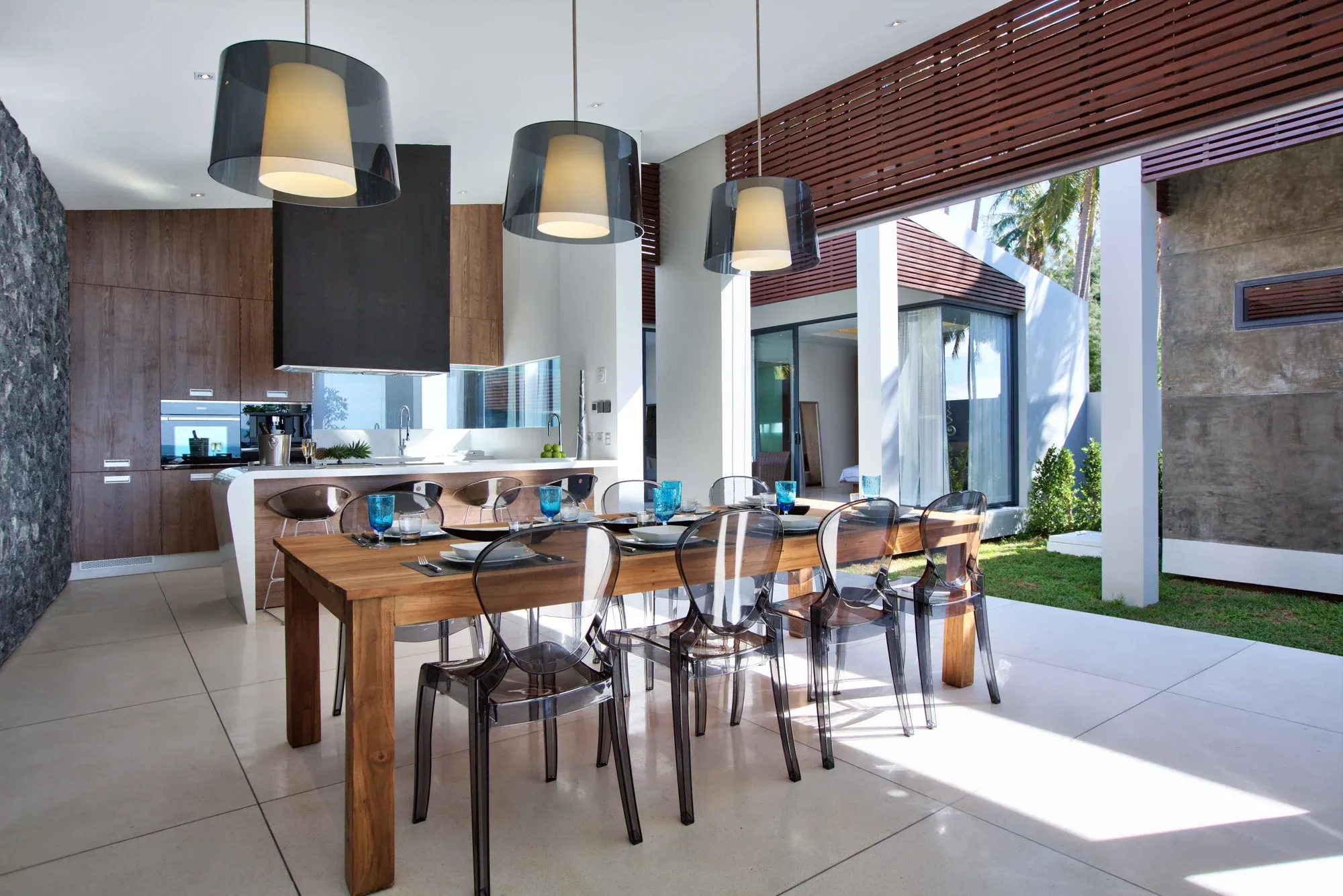
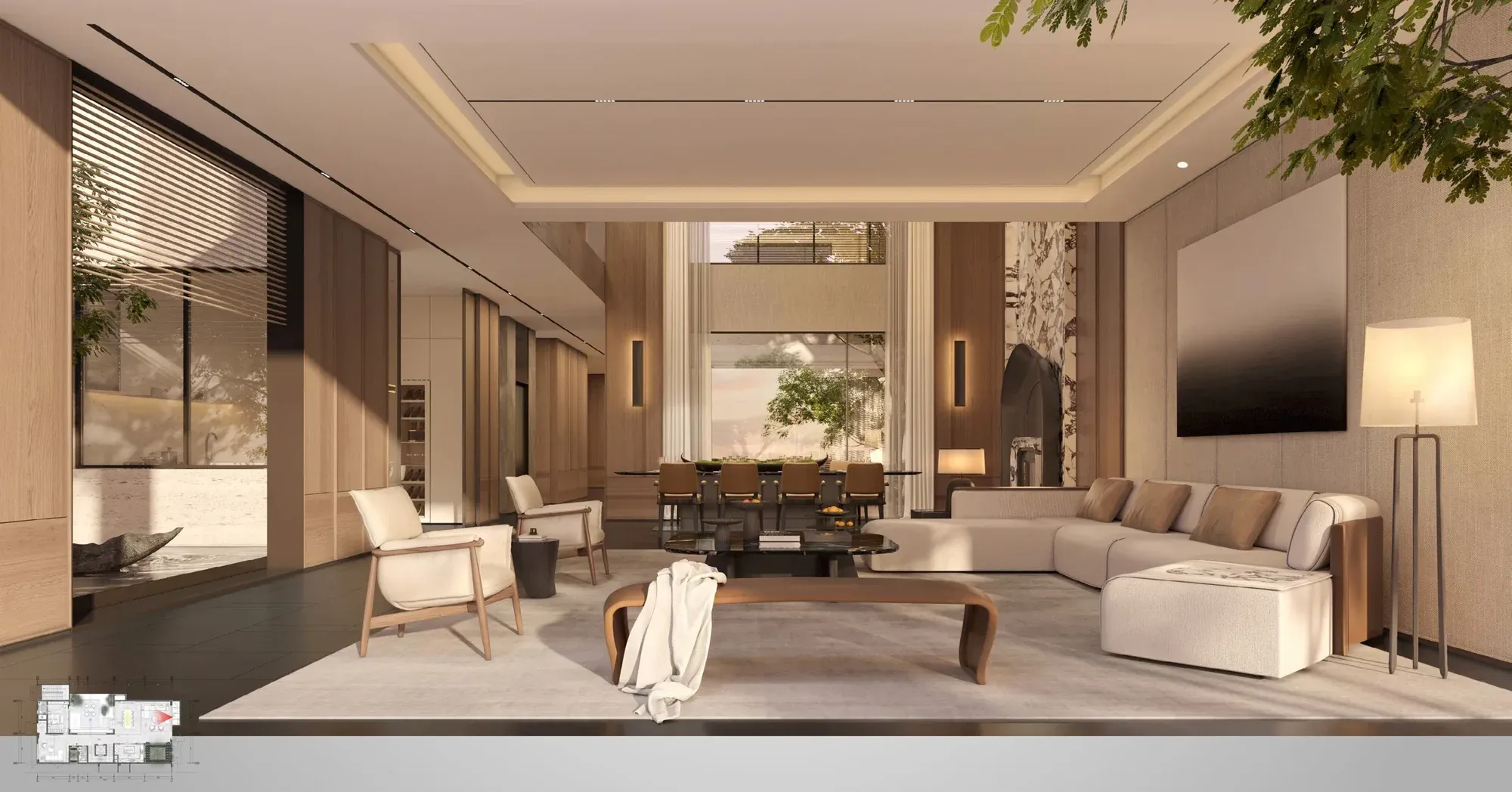
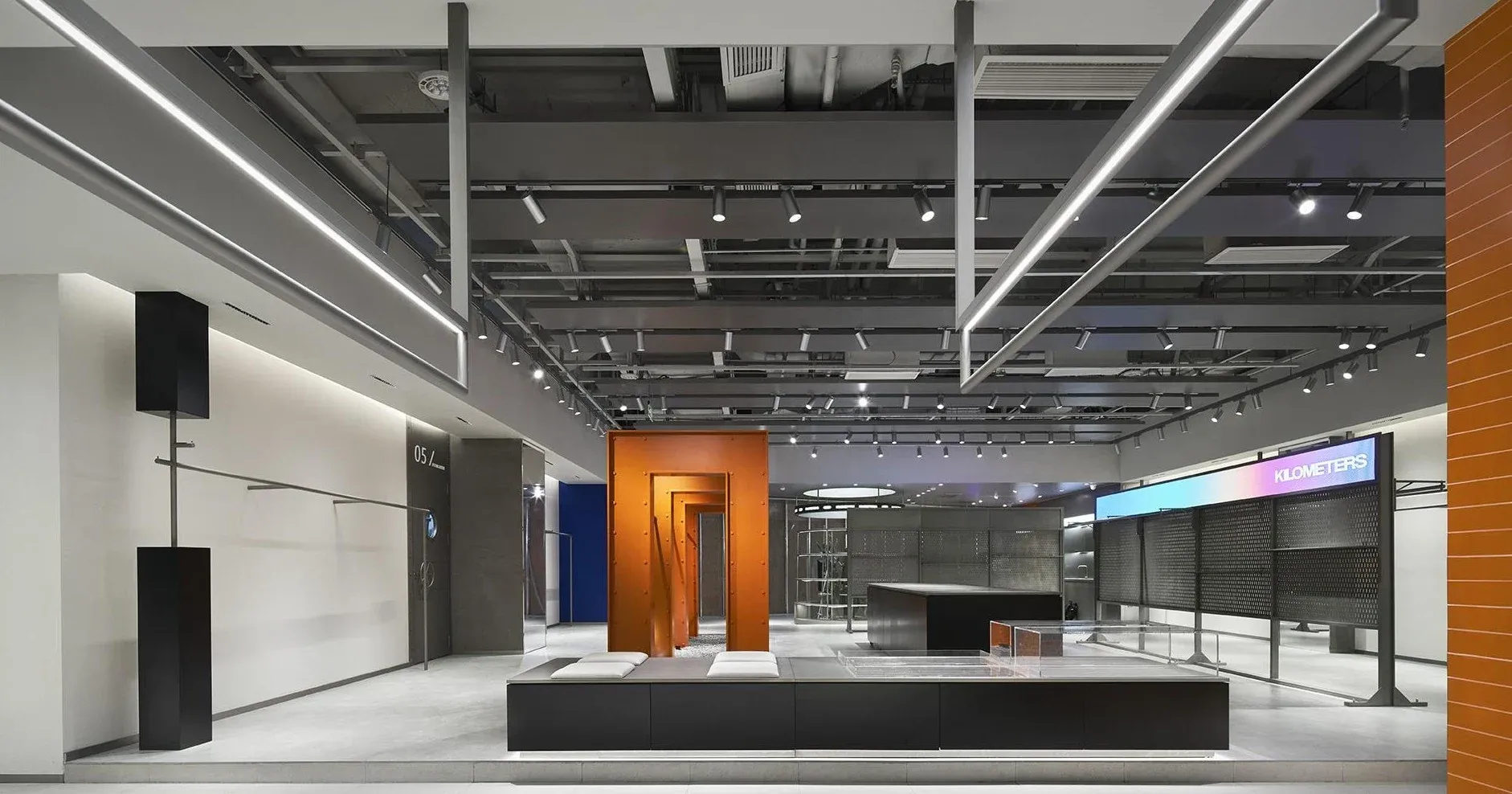
Interior Design Tokyo | Workplace, Hospitality & Retail Specialists
Tokyo is a city where precision meets creativity—an ever-evolving metropolis driven by innovation, cultural depth, and an uncompromising standard for quality. From the corporate towers of Marunouchi and Shinjuku to the experiential retail hubs of Shibuya and Ginza, the demand for highly refined commercial environments continues to grow.Tokyo Interior Design
At our firm, we approach interior design Tokyo as a multi-layered discipline—one that blends workplace efficiency, hospitality warmth, and retail storytelling into cohesive, high-performing environments. In a city where competition is intense and expectations are elevated, design must go beyond aesthetics to become a strategic tool for business success.
Tokyo’s Urban Energy & Commercial Evolution
Tokyo’s economic and urban landscape is defined by density, diversity, and constant reinvention. As one of the world’s leading global cities, it is shaped by several key forces:
- High-Density Business Ecosystems: Districts like Otemachi and Roppongi host global headquarters, requiring efficient, flexible office environments.
- Thriving Hospitality Sector: A blend of luxury hotels, boutique stays, and lifestyle accommodations caters to both international tourism and domestic travel.
- Experiential Retail Culture: From multi-level department stores to niche concept shops, Tokyo retail is immersive, detail-driven, and highly competitive.
- Lifestyle Precision: Japanese work and social culture emphasize efficiency, craftsmanship, and emotional subtlety—“omotenashi” (おもてなし), or thoughtful hospitality, is deeply embedded in design expectations.
This dynamic context demands that interior design Tokyo be both globally sophisticated and locally sensitive.
Multi-Sector Design: One Vision, Multiple Experiences
Designing across workplace, hospitality, and retail sectors requires a fluid and adaptable mindset. Each environment serves different users, behaviors, and performance goals—yet all must feel intuitive, engaging, and purposeful.
At our firm, we see these sectors not as separate silos, but as interconnected experiences. By blending insights across industries, we create environments that feel richer, more human, and more future-ready.
Workplace Design: Precision, Productivity & Wellbeing
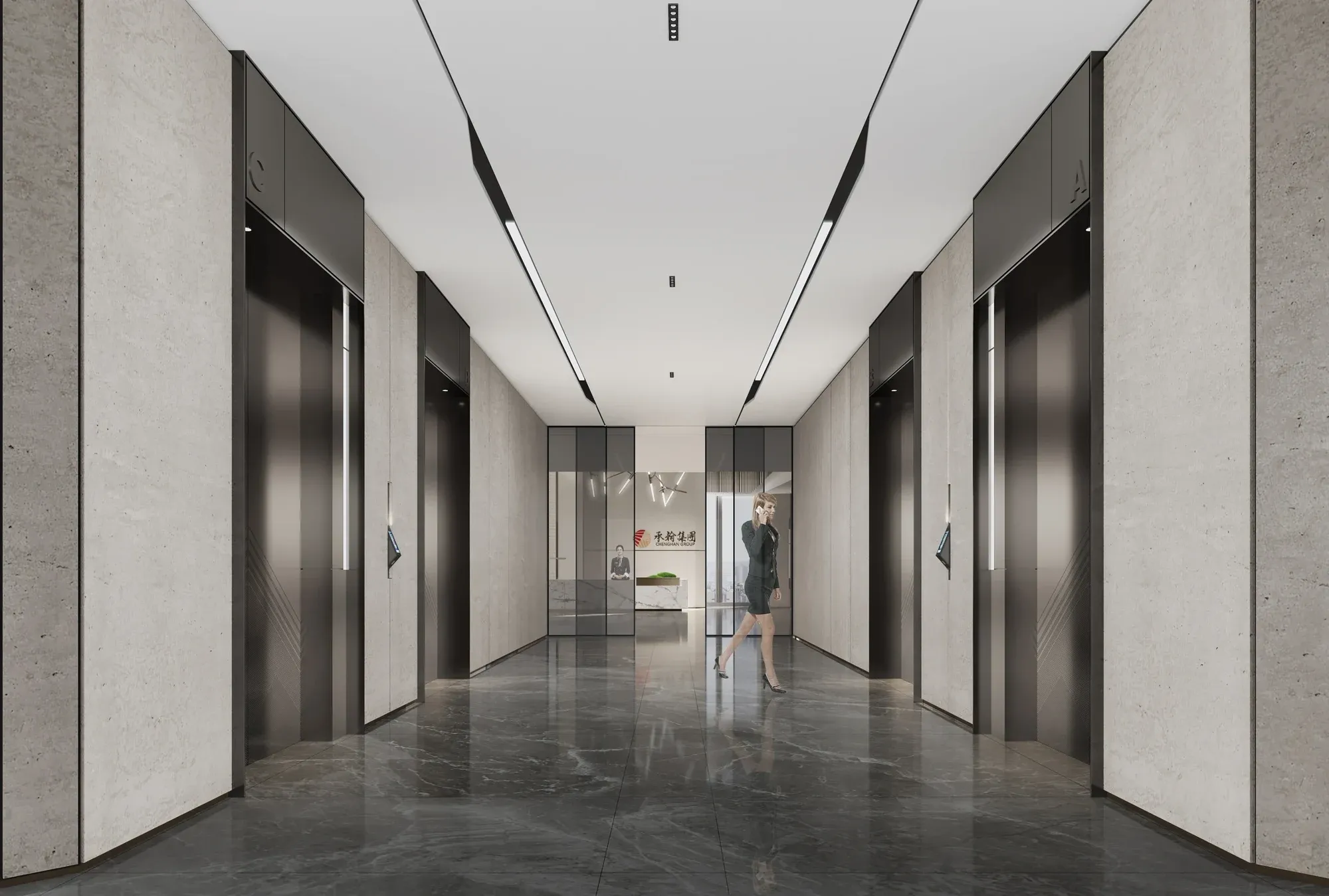
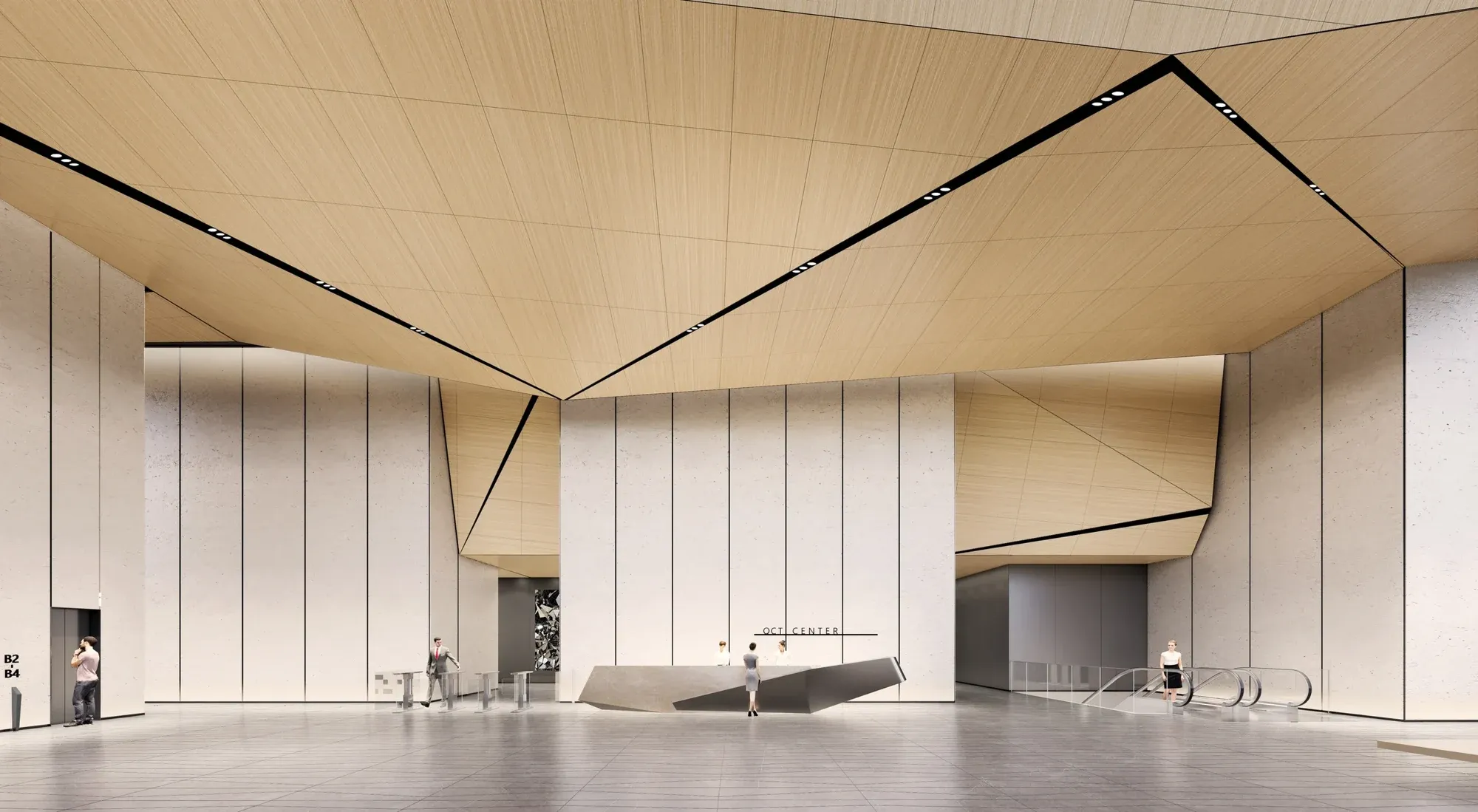
In Tokyo’s fast-paced corporate culture, the office must support both efficiency and creativity. Modern workplace design focuses on:
- Activity-Based Working (ABW): Providing diverse zones for focus, collaboration, and relaxation.
- Flexible Layouts: Adapting to hybrid work models and evolving team structures.
- Human-Centric Comfort: Ergonomic furniture, acoustic balance, and access to natural light enhance wellbeing.
- Brand Expression: Offices reflect company identity through subtle materiality and spatial storytelling.
The result is a workplace that feels calm yet dynamic—“ちょうどいい” (just right)—supporting both performance and emotional balance.
Hospitality Design: Crafting Emotional Journeys
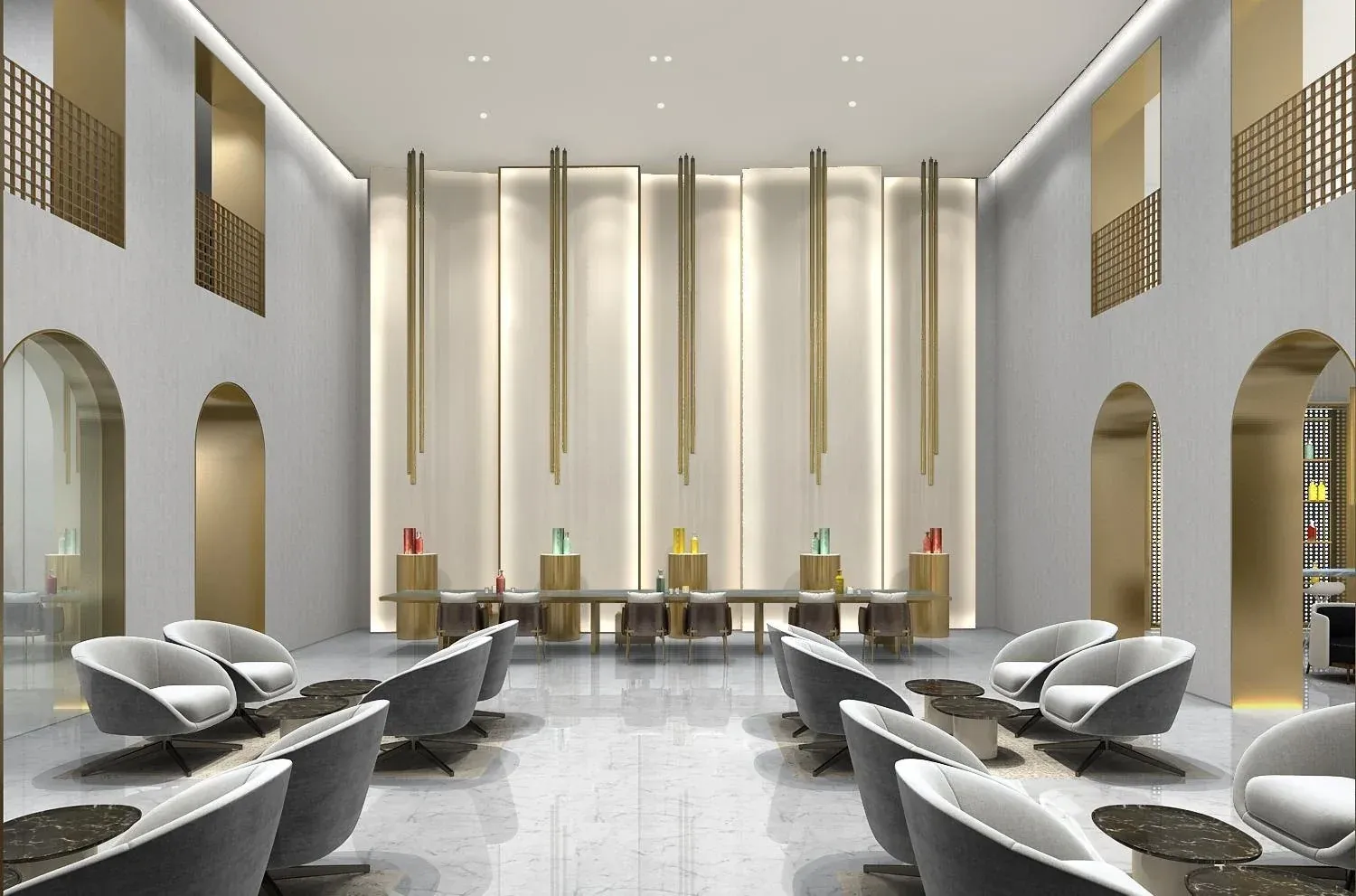
Tokyo’s hospitality scene is defined by detail, atmosphere, and guest experience. Whether designing a boutique hotel in Daikanyama or a luxury property in Ginza, the focus shifts toward:
- Guest Journey Mapping: From arrival to departure, every touchpoint is carefully orchestrated.
- Atmosphere & Materiality: Layered lighting, refined textures, and spatial rhythm create a sense of calm luxury.
- Cultural Storytelling: Integrating Japanese craftsmanship, art, and subtle design gestures.
- Operational Flow: Seamless back-of-house planning ensures service excellence.
Great hospitality design doesn’t just host guests—it makes them feel something lasting, a quiet “感動” (emotional resonance).
Retail Design: Engaging, Experiential, Memorable
Retail in Tokyo is an art form. With high consumer expectations and limited space, design must work harder to attract, engage, and convert.
Key strategies include:
- Visual Storytelling: Strong storefronts and curated displays draw attention instantly.
- Customer Journey Design: Guiding movement through intuitive layouts and focal points.
- Multi-Sensory Experience: Lighting, texture, and sound create immersive environments.
- Flexibility & Adaptability: Spaces evolve with seasonal collections and brand campaigns.
Through interior design Tokyo, retail becomes more than a transaction—it becomes an experience worth sharing.
Cross-Pollination: The Power of Integrated Thinking
What sets a multi-sector design approach apart is the ability to translate ideas across industries:
- Hospitality-inspired comfort enhances workplace environments.
- Retail storytelling strengthens brand identity in offices and hotels.
- Workplace efficiency informs operational flow in hospitality and retail.
This cross-disciplinary thinking allows our firm to create spaces that are layered, engaging, and deeply connected to human behavior.
Design Process: From Vision to Reality
Every successful project begins with a clear strategy and evolves through a structured, collaborative process:
1. Concept Development & Strategy
Understanding client goals, user needs, and Tokyo’s local context.
2. Spatial Design & Planning
Crafting layouts that optimize flow, interaction, and experience.
3. Material & Lighting Curation
Selecting finishes and lighting that enhance both aesthetics and function.
4. Visualization & Technical Detailing
Translating ideas into precise drawings and immersive visuals.
5. Construction Coordination & Execution
Ensuring every detail is delivered with craftsmanship and accuracy.
This holistic approach ensures that every project is not only beautiful but also buildable, functional, and enduring.
Localization: Designing with Cultural Intelligence
In Tokyo, design must respect both tradition and innovation. This means:
- Incorporating natural materials and minimalist aesthetics.
- Responding to compact spatial conditions with smart planning.
- Reflecting local behaviors, from quiet work culture to social retail experiences.
By grounding each project in its cultural and environmental context, interior design Tokyo achieves authenticity while maintaining global standards.
Design That Performs: Measurable Impact
Thoughtful design leads to tangible results:
- Improved Productivity & Employee Satisfaction in workplaces
- Stronger Guest Engagement & Brand Loyalty in hospitality
- Higher Footfall & Conversion Rates in retail environments
These outcomes translate into long-term value, reinforcing design as a strategic investment rather than a visual upgrade.
Conclusion: Your Multi-Sector Design Partner in Tokyo
Interior design Tokyo is about creating spaces that resonate—emotionally, culturally, and commercially. At our firm, we bring together expertise across workplace, hospitality, and retail to deliver environments that are innovative, human-centered, and performance-driven.
From concept to completion, we design with intention—crafting spaces that not only look exceptional but also function seamlessly and inspire everyday experiences. In a city as dynamic as Tokyo, we help businesses stand out by creating environments that truly connect with people—“人と空間をつなぐデザイン” (design that connects people and space).
Connect with us in