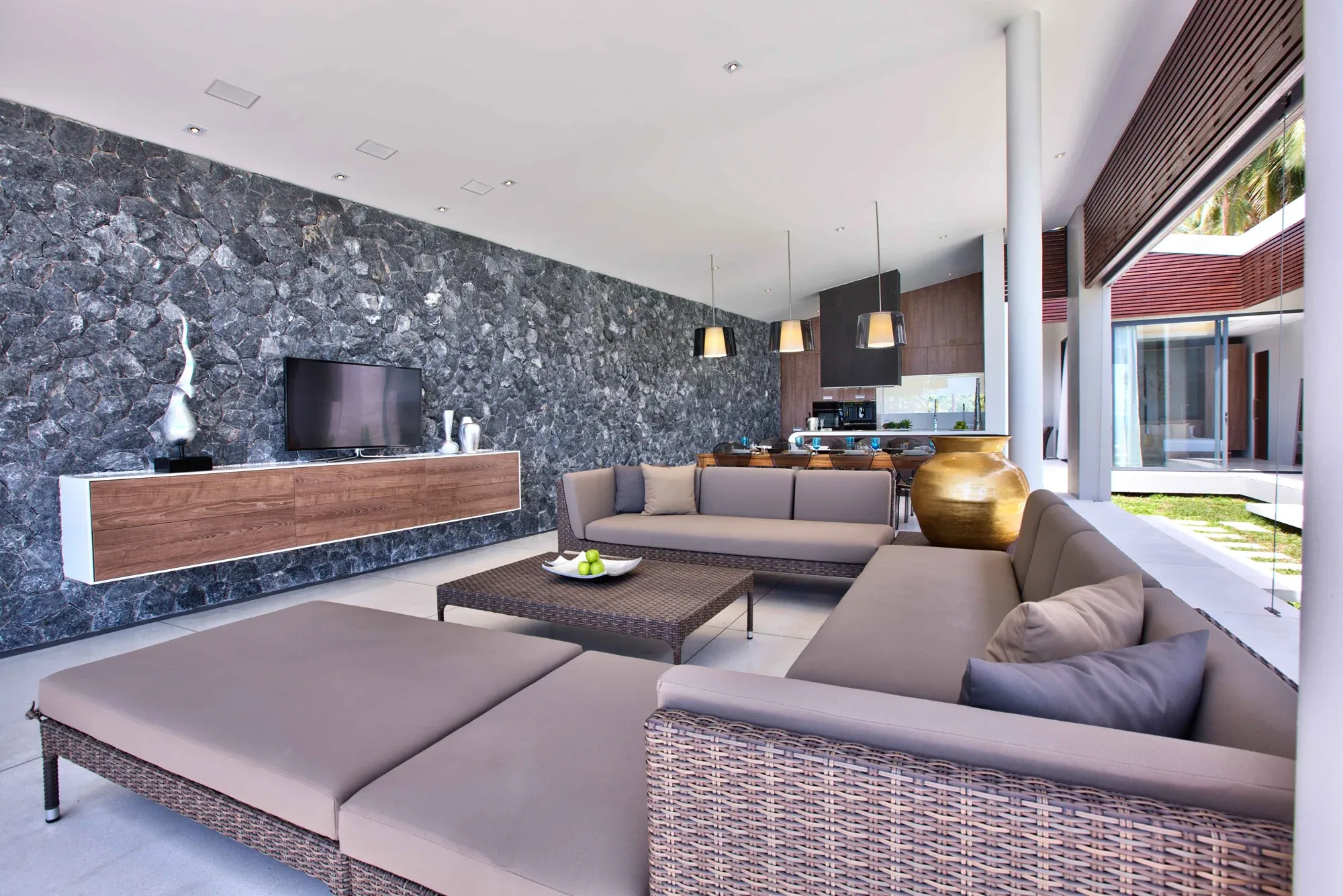
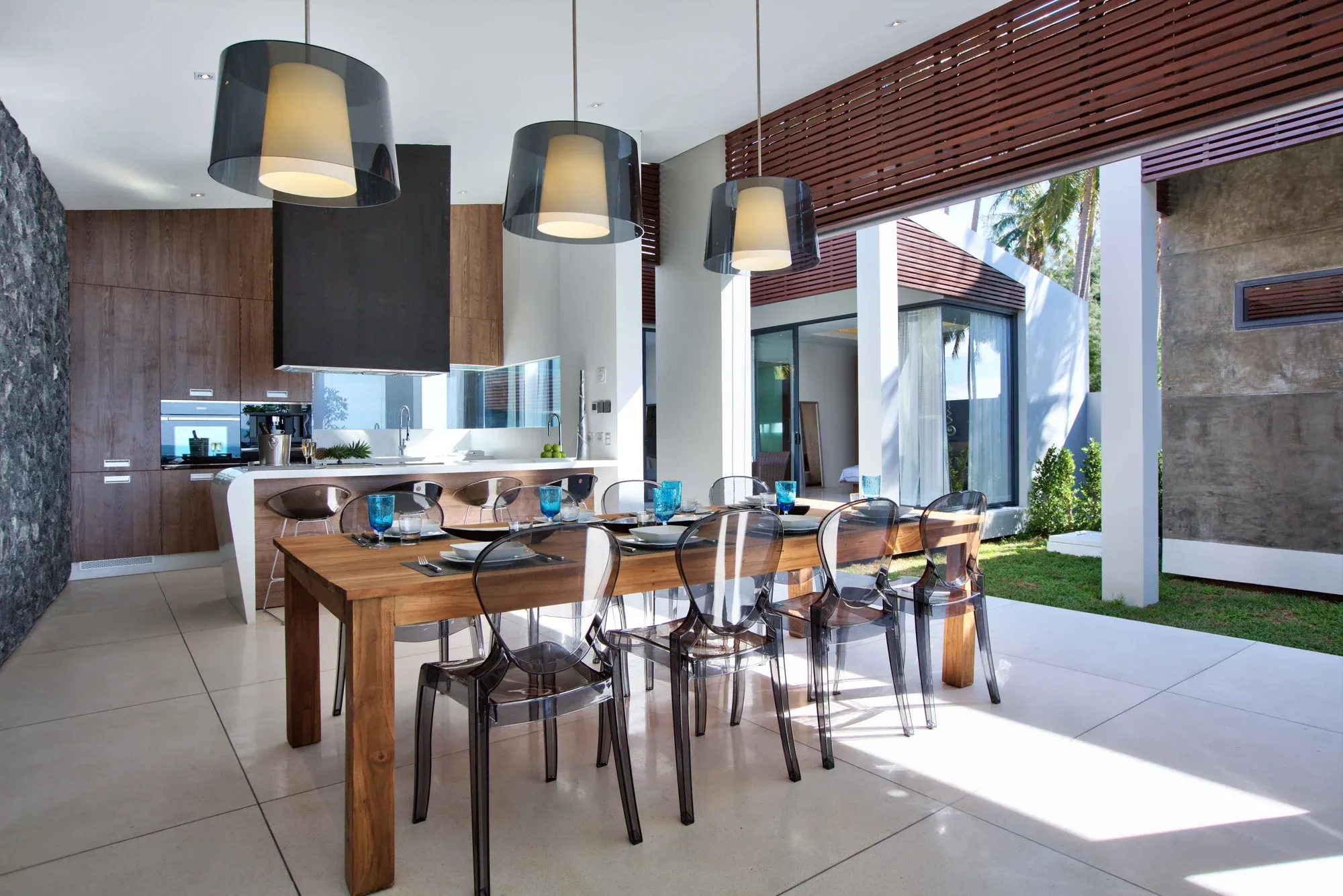
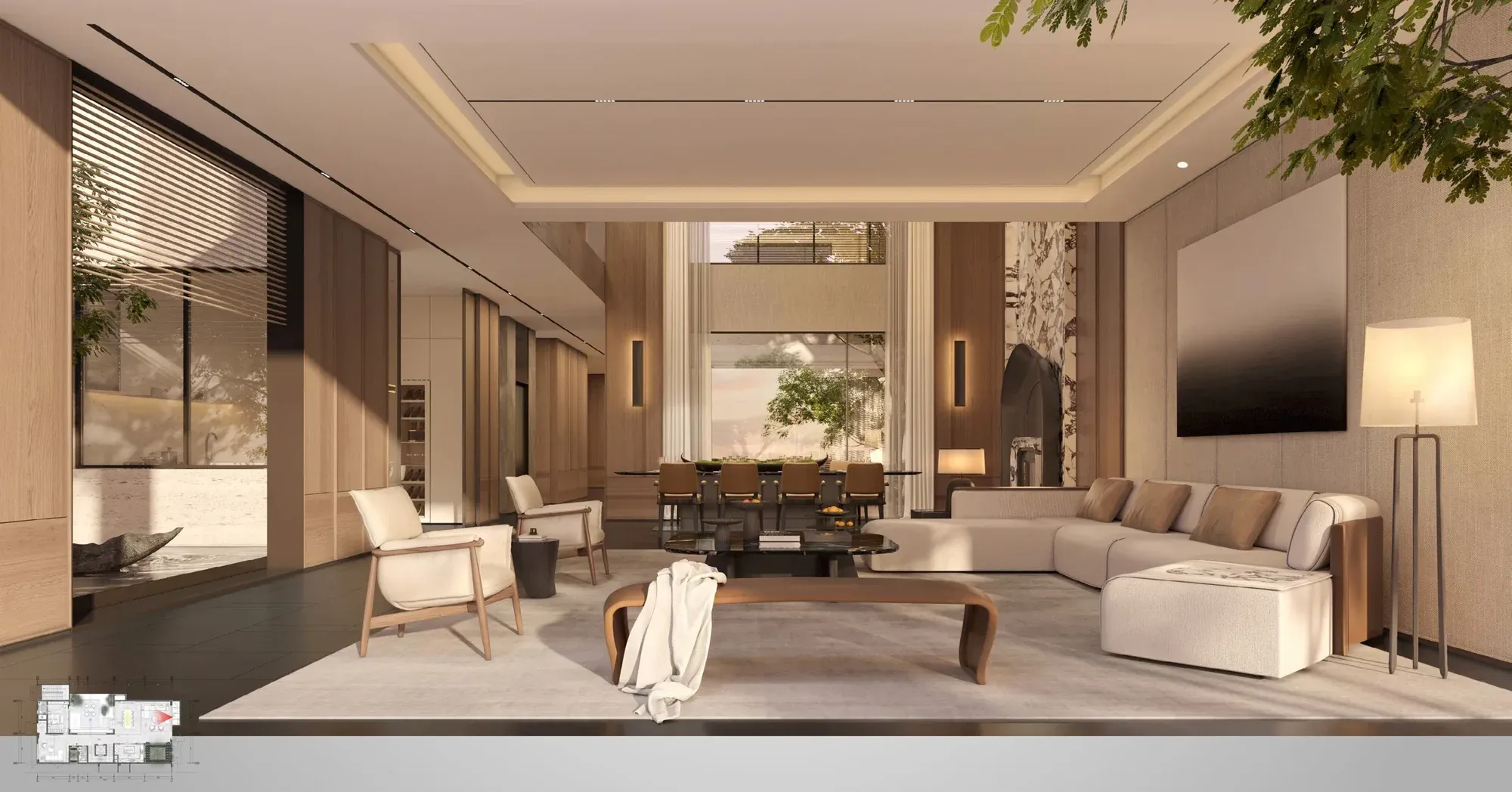
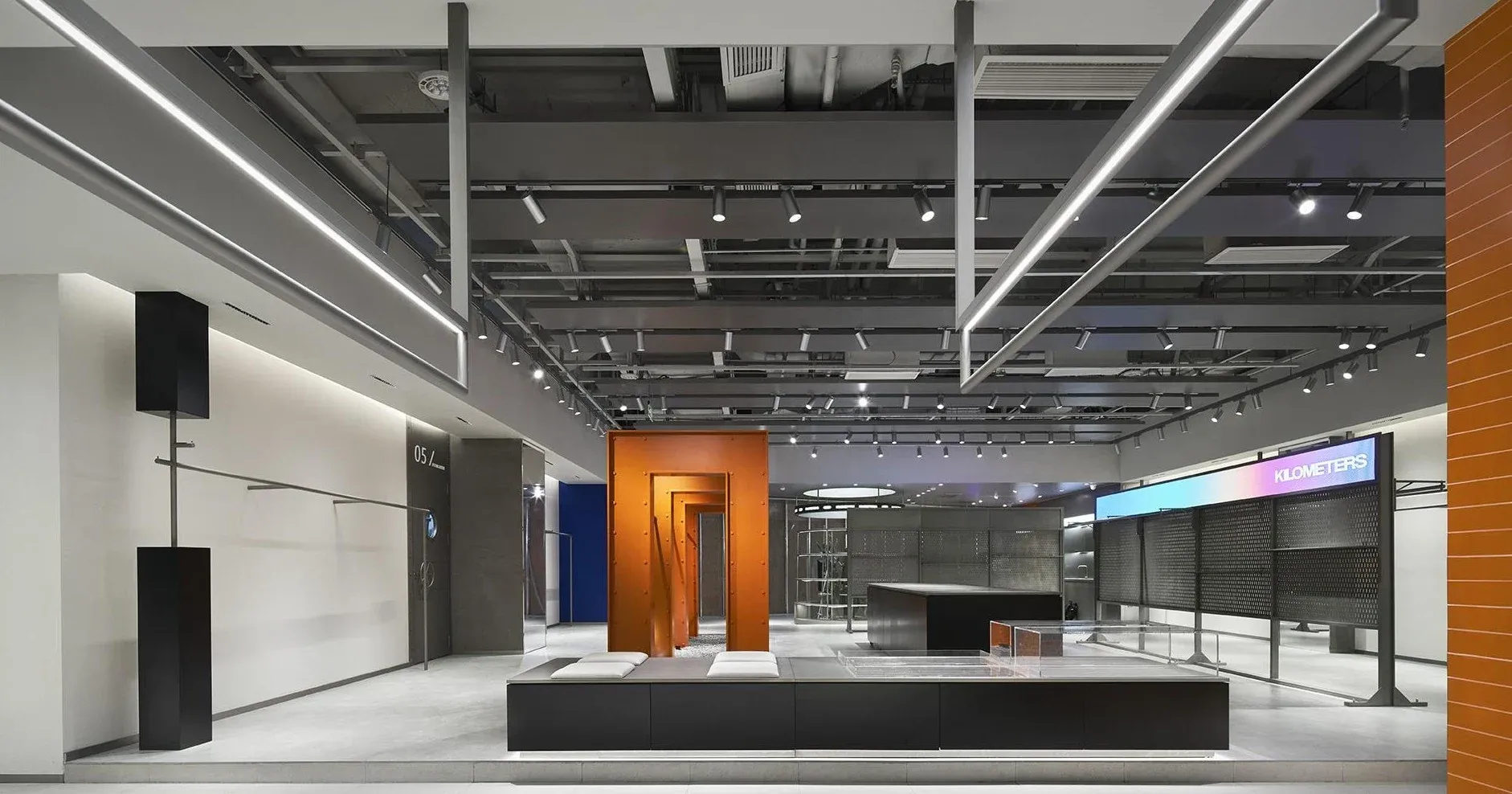
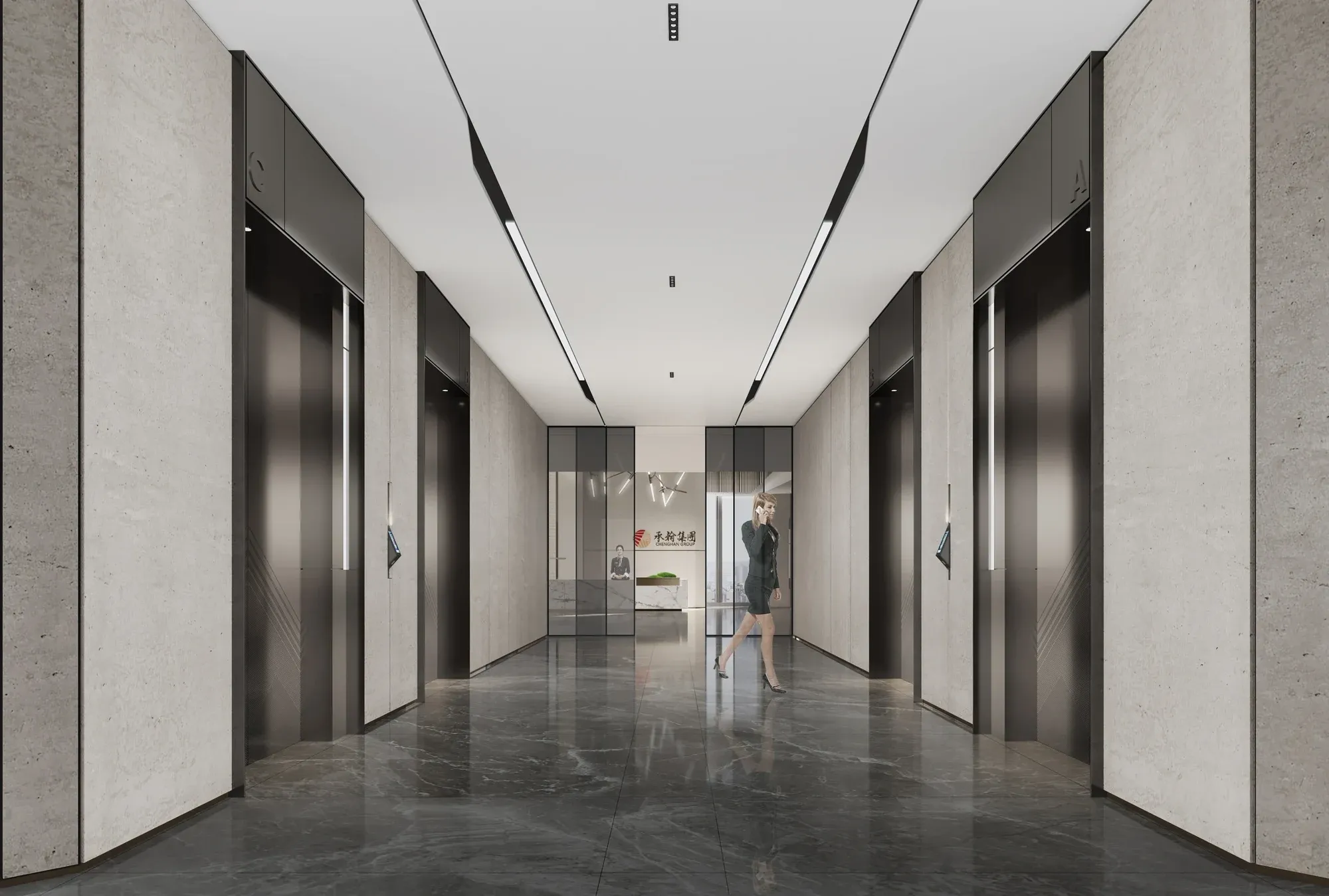
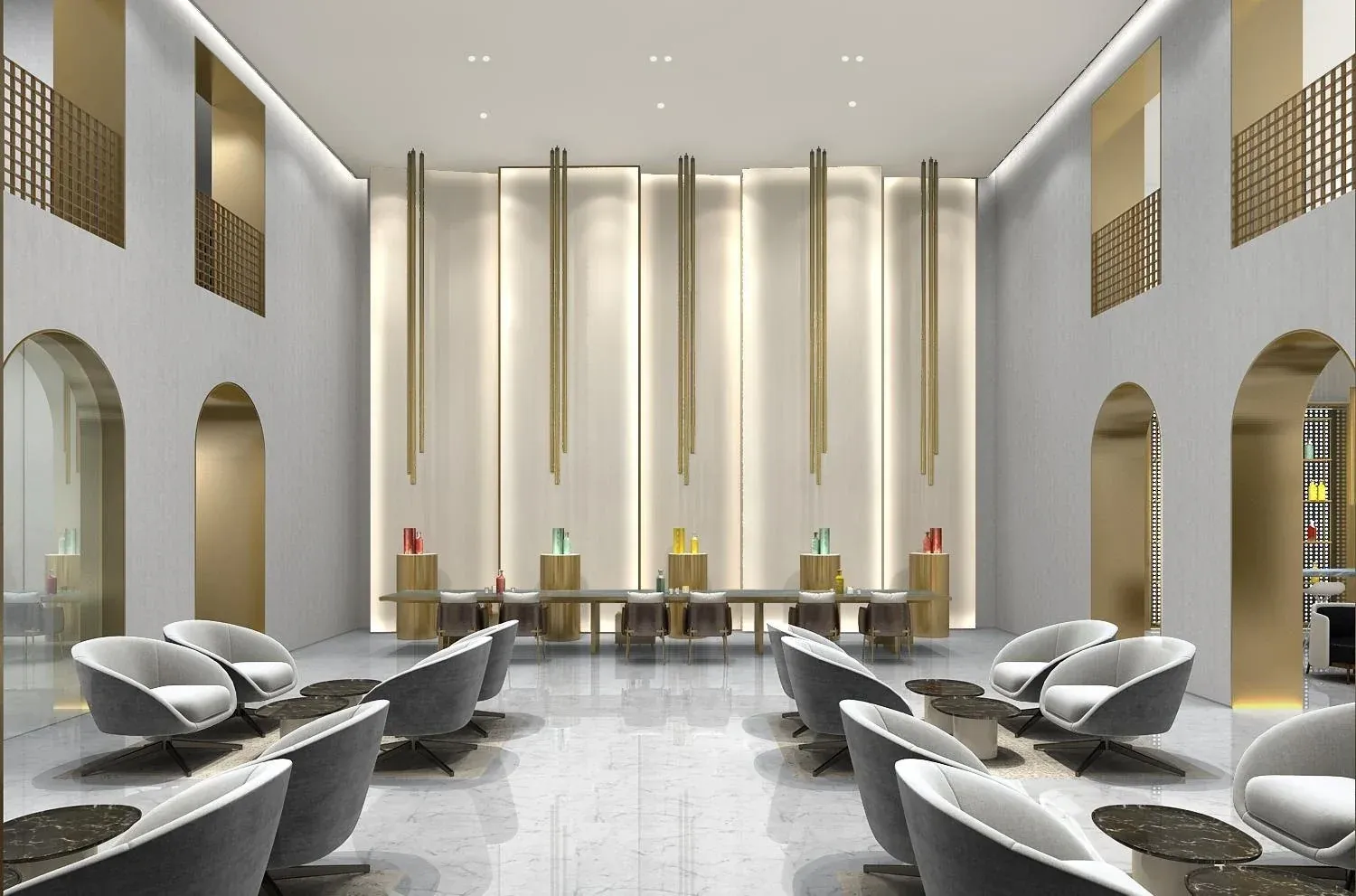
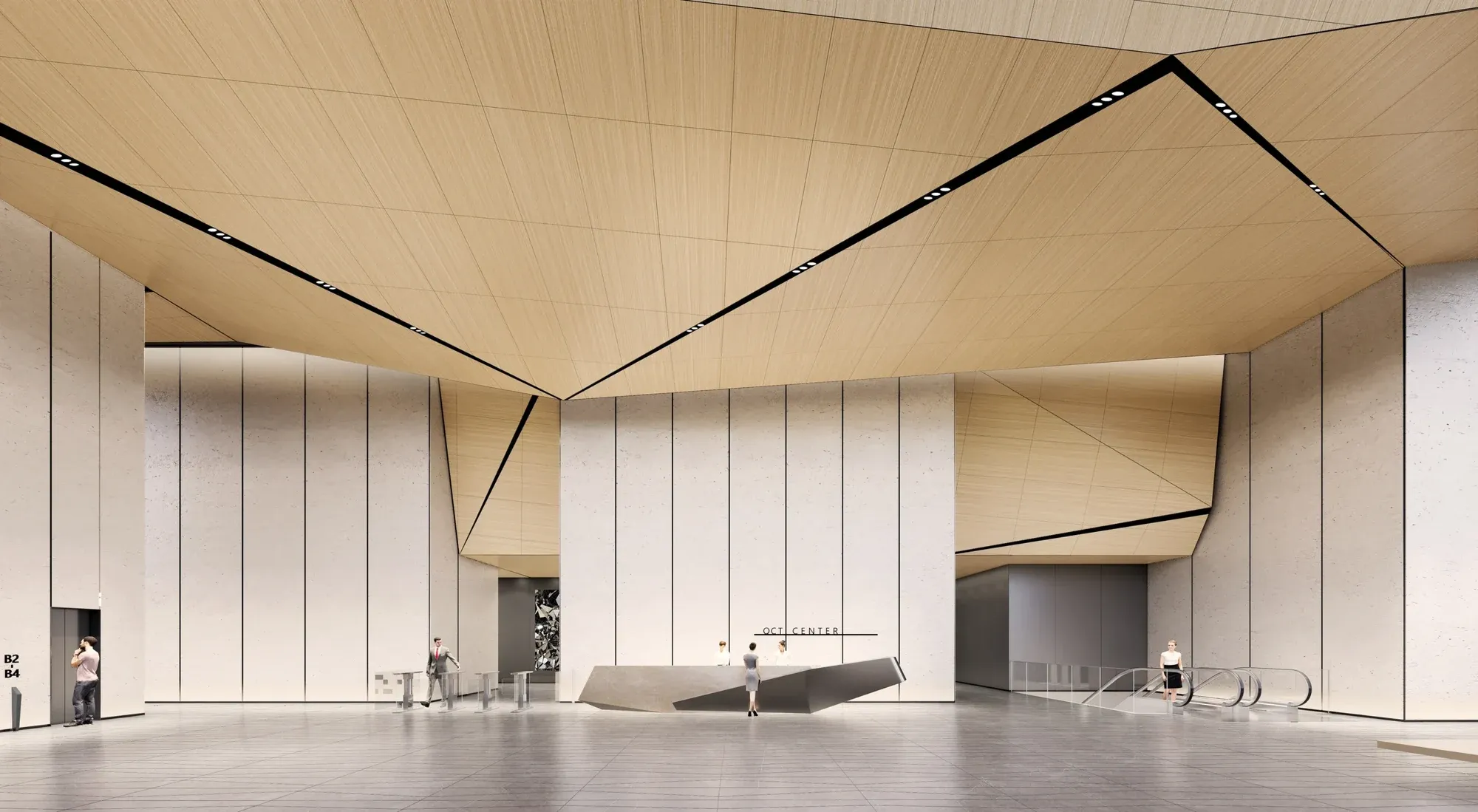
Hotel Interior Design Tokyo – Elevating Luxury Hospitality Through Design Excellence
In a city where international travelers, business leaders, and culture-seekers converge, Hotel Interior Design Tokyo is shaping the future of luxury hospitality through refined aesthetics, strategic design, and operational excellence. As Tokyo continues to grow as one of Asia’s most competitive hospitality markets, leading designers are redefining what it means to be a modern, guest-centric hotel — balancing innovation, cultural context, and world-class comfort.
The demand for luxurious, meaningful travel experiences has never been stronger. Today’s travelers prioritize spaces that deliver emotional resonance, functional efficiency, and brand authenticity — and interior design plays a central role in delivering this promise.
Why Design Matters in Tokyo’s Luxury Hotel Market
Tokyo’s luxury hotel landscape sits at the intersection of tradition and innovation. Neighborhoods such as Ginza, Roppongi, Marunouchi, and Shinjuku are home to international flagship properties and discerning local brands that compete not only on service but on design excellence.
In this environment, the role of Hotel Interior Design Tokyo extends far beyond aesthetics. Thoughtfully designed interiors contribute to:
-
Guest comfort and emotional experience
-
Operational efficiency and staff workflow
-
Brand differentiation and competitive positioning
-
Revenue through enhanced guest satisfaction
For luxury hotels, every detail — from arrival sequence to room ambiance — shapes the guest journey.
Holistic Hotel Strategy: From Renovation to Revenue
A successful luxury hotel is built on more than beautiful finishes and bespoke furniture. It begins with strategy. Our design process integrates:
-
Hotel market research and brand positioning
-
Guest behavior analysis and experience mapping
-
Operational flow review for housekeeping and service teams
-
Design strategies that reinforce identity and loyalty
Whether renovating a historic ryokan-inspired property in Asakusa or fitting out a global luxury brand in Tokyo Bay, strategic planning ensures every space reflects the hotel’s promise.
Spatial Experience: From Arrival to Unforgettable Stay
Modern luxury guests expect an experience that feels both seamless and memorable. Our Hotel Interior Design Tokyo approach focuses on spatial narratives that guide guests intuitively through the property:
– Lobby as a Living Room
First impressions matter. Lobbies are now designed as welcoming social hubs with lounge areas, curated lighting, and cultural accents — places where guests can meet, relax, or work without feeling confined to a “check-in desk.”
– Guest Rooms as Sanctuaries
Quiet luxury defines the contemporary guest room. Interior design features neutral palettes, sensory lighting, and plush materials that promote rest and wellbeing. Trends show that immersive spaces with wellness-focused attributes — like naturally inspired finishes and circadian lighting — are increasingly valued by guests. TKI
– Public & F&B Spaces as Expressions of Local Culture
From rooftop bars that frame Tokyo Tower to Michelin-calibre restaurants with bespoke interiors, hotel public spaces are designed not just for function but to celebrate place and personality.
Renovation & Design Fit-Out: Technical Precision Meets Artistic Vision
Renovating a luxury hotel requires harmony between artistic vision and technical precision. Key components include:
Design & Build Coordination
End-to-end integration between designers, engineers, and builders ensures a seamless process from concept through construction. This avoids costly delays and keeps design integrity intact.
Material Innovation
Luxury interiors in Tokyo are embracing premium, sustainable materials — from artisan woodwork and hand-woven textiles to high-performance acoustic wall systems. These elements elevate guest experience while supporting longevity and ease of maintenance.
Smart Hospitality Integration
Smart room technology — subtle, responsive, and integrated — enhances comfort without detracting from the design narrative. This includes ambient sensor lighting, contactless controls, and adaptive climate systems designed to feel natural and intuitive (aligned with trends toward “muted tech” in hospitality interiors). https://arcedior.com
Operational Efficiency: Productive Hotels Through Thoughtful Design
Luxury doesn’t have to mean impractical. Efficient back-of-house planning, clear circulation paths, and well-designed service zones allow staff to deliver exceptional performance. Design refinements here include:
-
Centralized service corridors to reduce noise and congestion
-
Flexible banquet and meeting spaces that adapt to events
-
Integrated storage and housekeeping support zones
-
Lighting and acoustics calibrated to comfort for guests and staff alike
These details not only improve operations but also elevate the omotenashi — the Japanese ethos of heartfelt hospitality.
Global Experience, Local Relevance
Our expertise in Hotel Interior Design Tokyo combines international design benchmarks with sensitivity to local context. Tokyo’s unique blend of tradition and trend means spaces must feel both timeless and fresh.
Cultural cues — such as refined wabi-sabi motifs, minimalist sensory palettes, or luxurious woven textures — can be woven into contemporary design to create interiors that feel rooted in place yet universally compelling. This local insight enhances guest connection and fosters deeper, lasting impressions.
Design Trends That Elevate Guest Experiences
Luxury hospitality design continues to evolve, and key trends influencing hotel interiors include:
-
Biophilic design that brings nature indoors, enhancing calm and wellness. TKI
-
Hyper-local aesthetics, using materials and craft traditions that reflect place. TKI
-
Flexible spaces that serve multiple functions, from business workspaces to social lounges. SRI Architect
-
Quiet luxury, favoring understated elegance over ostentatious display. SRI Architect
These approaches balance sensory richness with operational practicality, creating environments that guests remember — and return to.
Why Choose Us for Hotel Interior Design Tokyo
Hotels partnering with our firm gain access to:
-
Global brand experience with local insight
-
Design & build services for seamless delivery
-
Turnkey fit-out solutions that honor design intent
-
Hotel strategy expertise for brand growth
-
People-centric design that enhances guest wellbeing
We believe a well-designed hotel is a destination — a place where every corner tells a story, every material choice conveys care, and every spatial decision invites comfort and delight.
Conclusion: Transforming Hotels into Legacy Destinations
Luxury hospitality in Tokyo is about more than rooms and amenities — it’s about crafting places that resonate emotionally, operate efficiently, and deepen brand loyalty. With expert Hotel Interior Design Tokyo, we help hotel owners and operators deliver unforgettable guest experiences, enhance revenue performance, and secure competitive advantage in a city celebrated for its refined taste and towering expectations.
Ready to elevate your luxury hotel vision? Contact our firm to begin your design transformation — from strategy to fit-out and turnkey delivery.
Design & Delivering Award winning luxury world-class Interior Design
Connect with us in