Why Tokyo Residential Interior Design Matters
Tokyo residential interior design requires a unique blend of space efficiency, aesthetic harmony, and modern functionality. In a city where every square meter counts, thoughtful design transforms compact apartments into serene, livable homes. This approach is not just about decoration; it is about creating a sanctuary that reflects your personality while optimizing daily life.
Whether you are renovating a historic mansion in Minato or styling a sleek condo in Shibuya, professional residential interior design in Tokyo can address both cultural nuances and contemporary needs. From maximizing storage to integrating natural light, local designers understand the challenges and opportunities of the urban environment.
Moreover, good design impacts your well-being. A well-planned layout reduces stress, improves workflow at home, and creates a welcoming atmosphere for guests. Therefore, investing in professional design services is a smart decision for any Tokyo homeowner.
5 Key Principles of Tokyo Residential Interior Design
1. Maximizing Small Spaces with Smart Layouts
Tokyo apartments are famously compact, but clever design can make them feel spacious. Open floor plans, multi-functional furniture, and vertical storage solutions are essential. For instance, a wall-mounted desk that folds away can serve as both a workspace and a dining area.
- Use sliding doors (fusuma or modern alternatives) to save space.
- Incorporate built-in shelving to reduce clutter.
- Choose light colors to reflect natural light and create airiness.
2. Blending Traditional Japanese Aesthetics with Modern Comfort
Harmony with nature is a core concept in Tokyo residential interior design. Elements like tatami mats, shoji screens, and natural wood bring warmth and tranquility. However, you can blend these with contemporary furniture, minimalist fixtures, and smart home technology.
Furthermore, using natural materials such as bamboo, washi paper, and stone adds texture and authenticity. This combination creates a timeless look that feels both rooted in tradition and forward-thinking.
3. Prioritizing Natural Light and Airflow
Good design exploits Tokyo’s seasonal light patterns. Large windows, sheer curtains, and strategically placed mirrors amplify natural light. Additionally, cross-ventilation is crucial in Tokyo’s humid summers, so window placement and interior openings should be carefully planned.
4. Strategic Color Palettes for Urban Calm
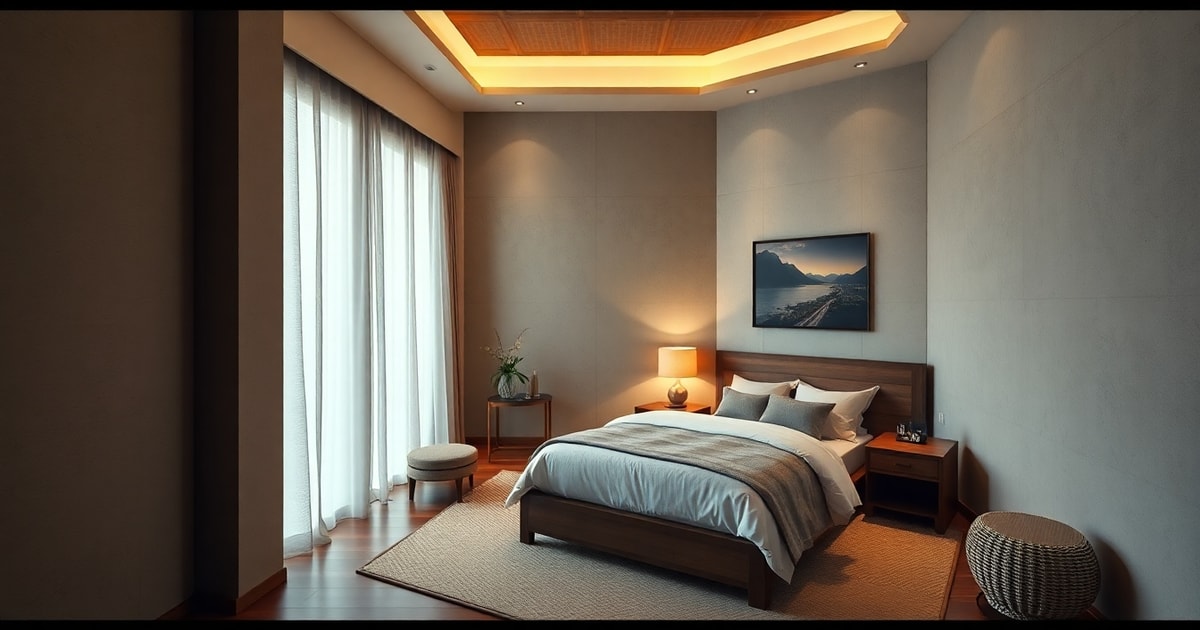
Neutral tones like beige, soft gray, and off-white dominate modern Tokyo interiors. These colors provide a calm backdrop, allowing you to introduce accent colors through artwork or textiles. Moreover, a monochromatic scheme can make a small room appear larger and more cohesive.
5. Incorporating Biophilic Design Elements
Bringing the outdoors inside is a growing trend in Tokyo residential interior design. Indoor plants, green walls, and natural fiber rugs improve air quality and reduce stress. Even a small balcony garden can create a refreshing retreat from the bustling city.
Choosing the Right Style for Your Tokyo Home
Your home should reflect your lifestyle and tastes. Tokyo offers diverse options, from ultra-modern lofts to cozy traditional machiya. Here are popular styles to consider:
- Minimalist Japandi: Clean lines, neutral colors, and natural materials. This style emphasizes function and simplicity.
- Scandinavian Influence: Bright whites, wood accents, and cozy textiles. Ideal for maximizing light in smaller spaces.
- Industrial Chic: Exposed concrete, metal fixtures, and open ceilings. Works well in renovated warehouse spaces or newer buildings.
- Luxury Home Interior: High-end finishes, custom joinery, and premium materials like marble and silk. Perfect for those seeking elegance and exclusivity.
How to Start Your Tokyo Residential Interior Design Project
Beginning a design project can feel overwhelming, but a step-by-step approach eases the process. First, define your goals: Is it a full renovation or just furniture layout? Next, set a budget that accounts for materials, labor, and any professional fees.
Then, research local designers who specialize in Tokyo residential interior design. Look at their portfolios to ensure their style matches your vision. Many firms offer initial consultations to discuss your needs and provide estimates.
Moreover, consider the practical aspects. Tokyo has unique building codes and waste disposal regulations for renovations. Therefore, working with a local expert ensures compliance and avoids costly mistakes.
Benefits of Hiring a Professional Designer in Tokyo
Professional designers bring invaluable expertise. They have access to trade-only suppliers, understand spatial ergonomics, and can coordinate with contractors efficiently. This saves you time, money, and stress.
Additionally, designers can offer creative solutions you might not have considered. For instance, they might suggest a sliding kitchen island or a hidden home office that blends seamlessly with your living room. These innovations are hallmarks of excellent Tokyo residential interior design.
Ultimately, a well-designed home increases property value and enhances your quality of life. It becomes a place where you can genuinely relax and recharge after a busy day in Tokyo.
Transform Your Space Today
Ready to create a home that perfectly suits your lifestyle in Tokyo? Whether you need a complete makeover or just fresh ideas, professional Tokyo residential interior design can turn your vision into reality. Contact a trusted local design firm today for a consultation and take the first step toward a more beautiful, functional home.