- 135
Interior Design Tokyo | Crafting Modern Luxe Hotel and Residential Spaces
Tokyo, Japan’s vibrant capital, is a city where tradition and innovation coexist seamlessly. From historic neighborhoods like Asakusa to cutting-edge districts such as Shibuya and Marunouchi, Tokyo offers a dynamic environment for architecture and interior design. Interior Design Tokyo is a craft that balances cultural nuance, spatial efficiency, and modern luxury, delivering emotional, people-centric experiences in both hospitality and residential sectors.
At our firm, we specialize in creating interiors that combine refined aesthetics, operational functionality, and memorable guest experiences tailored to Tokyo’s unique lifestyle and urban rhythm.
Understanding Tokyo’s Hospitality and Residential Landscape
Tokyo’s hospitality sector caters to business travelers, international tourists, and local visitors. Boutique hotels and five-star properties are concentrated in Shinjuku, Roppongi, and Ginza, blending Japanese minimalism with luxury amenities. Similarly, high-end residences range from compact urban apartments to spacious villas in suburbs like Setagaya and Minato, demanding thoughtful, context-sensitive design.
Tokyo’s climate—humid summers and cold winters—requires interior solutions that optimize comfort, natural light, and airflow while integrating thermal insulation and climate-sensitive materials. Travelers and residents alike expect spaces that feel serene, refined, and culturally resonant, reflecting Japanese principles of wabi-sabi (elegant simplicity) and omotenashi (thoughtful hospitality).
Creating Memorable Hospitality Experiences
In Tokyo, successful hotel interiors combine operational efficiency with emotional resonance. Key design strategies include:
1. Lobby and Arrival Spaces
The lobby sets the tone for guest experience. Spatial planning ensures intuitive circulation, while lighting, textures, and tactile finishes create a welcoming yet luxurious impression. Local craft elements, such as shoji-inspired panels or handcrafted ceramics, introduce cultural authenticity.
2. Guest Rooms and Suites
Guest rooms balance comfort with refined aesthetics. Custom furniture, layered lighting, and climate-adapted layouts provide restfulness and functionality. Integrating Japanese minimalism with modern luxe materials allows spaces to feel open, calm, and highly curated.
3. Restaurants, Lounges, and Bars
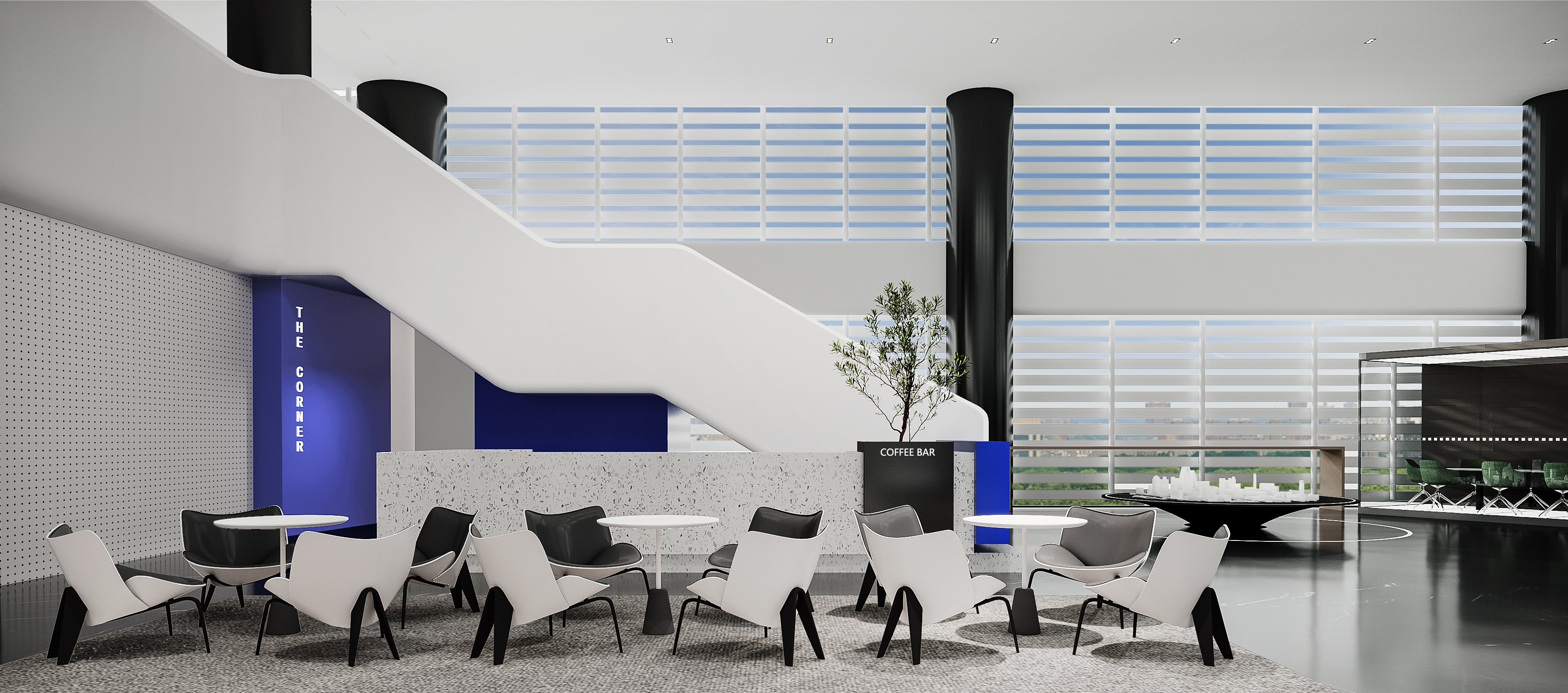
Social spaces encourage interaction while reinforcing brand identity. Thoughtful lighting, acoustic design, and material layering enhance atmosphere, whether for intimate dining or social gatherings.
4. Wellness and Multifunctional Areas
Gyms, spas, and flexible meeting areas are designed with both comfort and operational efficiency in mind. Biophilic elements, such as indoor greenery and natural textures, foster serenity and emotional well-being.
Modern Luxe as a Design Philosophy
Modern luxe interiors in Tokyo are defined by:
-
Premium Materials: Wood, stone, metals, and high-quality fabrics convey refinement.
-
Sophisticated Lighting: Adjustable, layered lighting sets mood and highlights design features.
-
Spatial Harmony: Thoughtful layouts and circulation flow enhance guest experience.
-
Cultural Integration: Japanese art, craft, and minimalist principles create a sense of place.
This approach ensures interiors are luxurious yet approachable, sophisticated yet calming.
Strategic Design Considerations
Interior Design Tokyo requires careful planning across multiple dimensions:
-
Guest Journey Mapping: Intuitive paths from entrance to rooms and amenities.
-
Operational Efficiency: Service zones, durable finishes, and ergonomic furniture for staff and guest ease.
-
Brand Storytelling: Cohesive visual identity across spaces.
-
Sensory Engagement: Curated lighting, textures, acoustics, and scents enhance experience.
Residential Interiors: Homes and Apartments
Tokyo’s residential interiors require smart space planning, especially in high-density apartments. Solutions include:
-
Multifunctional furniture and concealed storage for space efficiency.
-
Natural materials and soft lighting for warmth and calm.
-
Open-plan layouts with flexible zones to accommodate work-from-home trends.
-
Integration of smart home technologies and climate-adaptive systems.
These elements ensure homes are comfortable, personalized, and aesthetically harmonious.
Delivering Excellence from Concept to Completion
Our firm provides end-to-end interior design services in Tokyo, including:
-
Concept development and 3D visualization
-
Spatial planning and circulation design
-
Material curation and custom furniture
-
Construction coordination and quality control
This holistic approach guarantees both aesthetic excellence and operational practicality.
Connect with us in