01 / Understand
Define use, audience, site and investment priorities before choosing a visual direction.
SERVICES / TOKYO
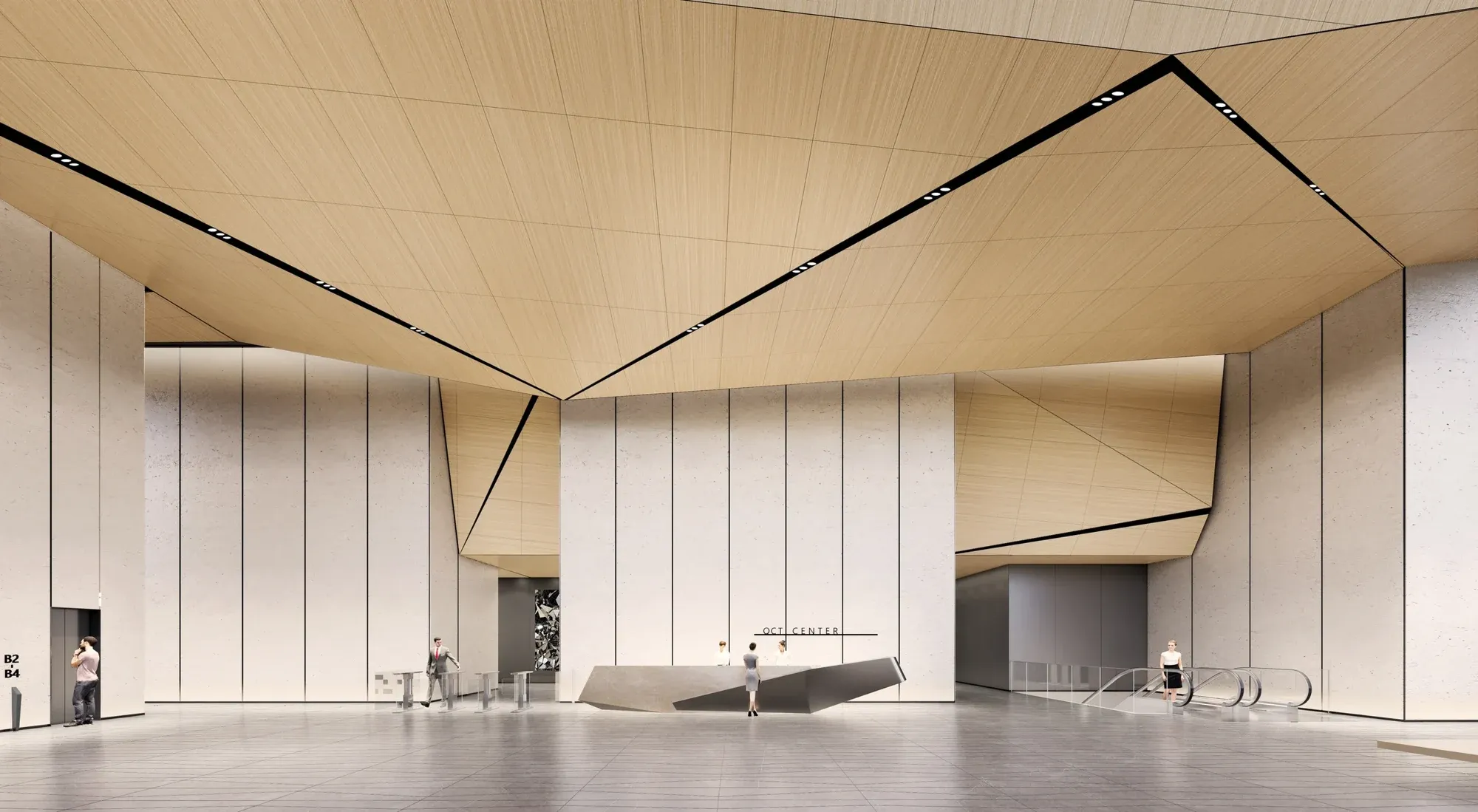
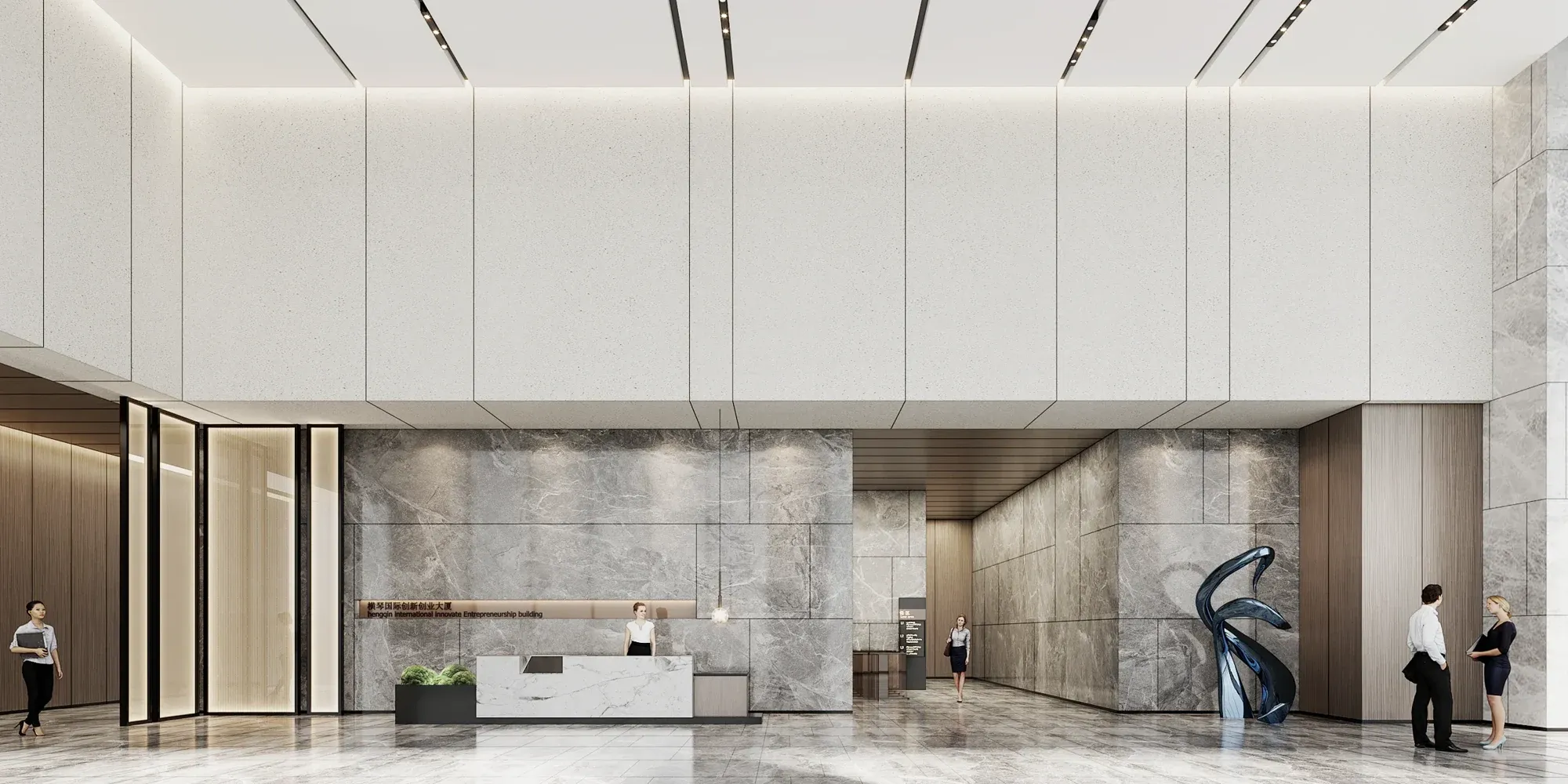
Owners and developers need interiors that connect a property’s proposition with its everyday use. We consider arrival, shared amenities, circulation and presentation spaces in relation to the target occupier or buyer. The result should make the asset’s character legible without relying on a temporary marketing treatment.
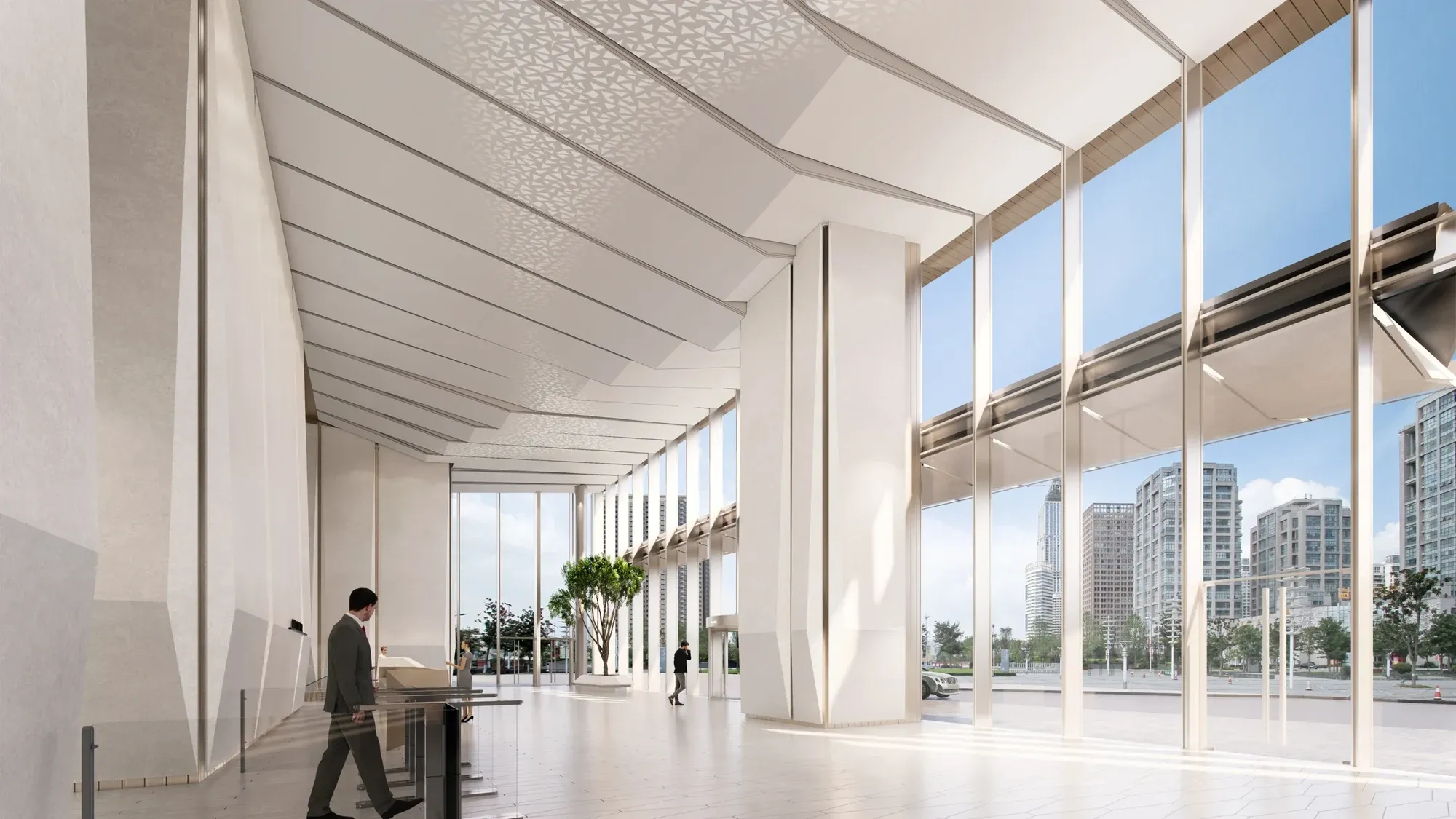
A Tokyo repositioning brief might involve a lobby, tenant amenity, sales environment or a show residence. We separate long-life elements from those likely to change and coordinate the design with maintenance and leasing needs. Options are compared on scope and experience; financial outcomes or occupancy improvements are not assumed from an attractive rendering alone.
Before work starts, we agree the deliverables, review stages and responsibilities. Share the available plans, area, preferred timing and operating priorities. Where information is incomplete, the proposal should identify the checks needed rather than conceal assumptions inside an attractive image.
Define use, audience, site and investment priorities before choosing a visual direction.
Compare layouts and material ideas against the brief; make the important decisions visible.
Connect the interior package with specialists, building review, procurement and programme.
Review execution, resolve outstanding items and prepare for the agreed handover.
The sequence is adapted to the appointment and the building. Cost, procurement and design reviews are linked so that approvals happen with useful information. We identify specialist interfaces early and record changes before implementation.
FAQ
Asset brief and audience definition, Lobby, amenity and show-space concepts, Material lifecycle and operating considerations, Phased implementation and coordination. The appointment confirms the exact deliverables, exclusions and specialist responsibilities.
We assess the area, existing information, complexity, required drawings and delivery involvement. A project-specific proposal separates design work from construction and procurement assumptions, so the basis of comparison is clear.
Yes, the starting point is a responsibility review and access to the available drawings and building information. We identify interfaces and missing information before finalising the programme or technical package.
We clarify the brief, discuss suitability and identify the information needed for a proposal. Once scope and appointment are agreed, the work progresses through concept, coordination and the agreed implementation stages.