Articles

Hotel Interior Design Tokyo Essential Elements of Luxury

Hotel Interior Design Tokyo

Interior Hotel Design Tokyo

The Essential Elements of Luxury Lobby Design

In Tokyo, hospitality is an art of precision, atmosphere, and emotional subtlety. Guests arriving in districts such as Marunouchi, Ginza, Shibuya, or Roppongi no longer seek only efficiency and comfort—they seek experiences that feel personal, memorable, and deeply immersive. Hotel Interior Design Tokyo

Today, the hotel lobby has become far more than a reception area. It is the emotional heart of the hospitality journey—the space where first impressions are formed, where brand identity becomes tangible, and where guests begin to feel connected to the experience ahead.

At our firm, we approach Interior Hotel Design Tokyo through a hospitality-driven lens that balances atmosphere, operational flow, spatial storytelling, and emotional comfort. Great hotel lobbies are not defined by scale or ornament alone. They succeed because they feel intuitive, calming, and timeless—omotenashi expressed through space itself.


What Makes a Great Hotel Lobby Experience?

A successful hotel lobby creates a seamless transition between arrival, relaxation, social interaction, and orientation. It allows guests to move effortlessly while emotionally settling into the environment.

In Tokyo’s competitive hospitality landscape—where business hotels, luxury lifestyle brands, and boutique hospitality concepts coexist—lobbies must balance:

  • Sophistication with warmth
  • Operational efficiency with emotional connection
  • Spatial clarity with layered atmosphere

The modern guest expects more than functionality. They expect a lobby that feels welcoming, immersive, and emotionally engaging from the moment they arrive—kimochi ga ii kūkan, a space that simply feels right.


The Top 5 Essential Elements of Hotel Lobby Design

1. Arrival Experience & First Impressions

Luxury hospitality begins at the entrance.

The arrival sequence defines the emotional tone immediately:

  • Clear visual orientation
  • Effortless circulation flow
  • Balanced openness and intimacy
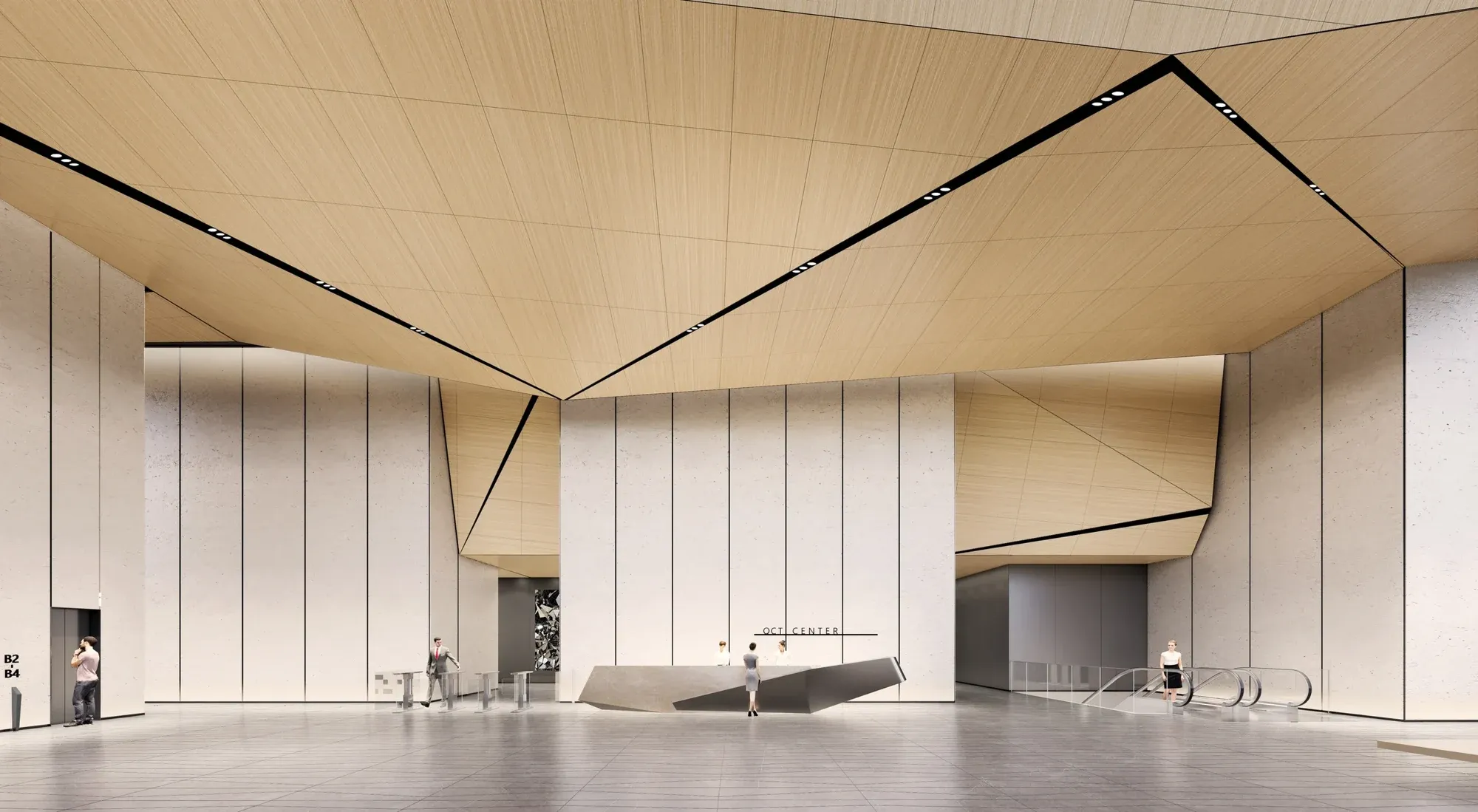
  • A strong architectural focal point

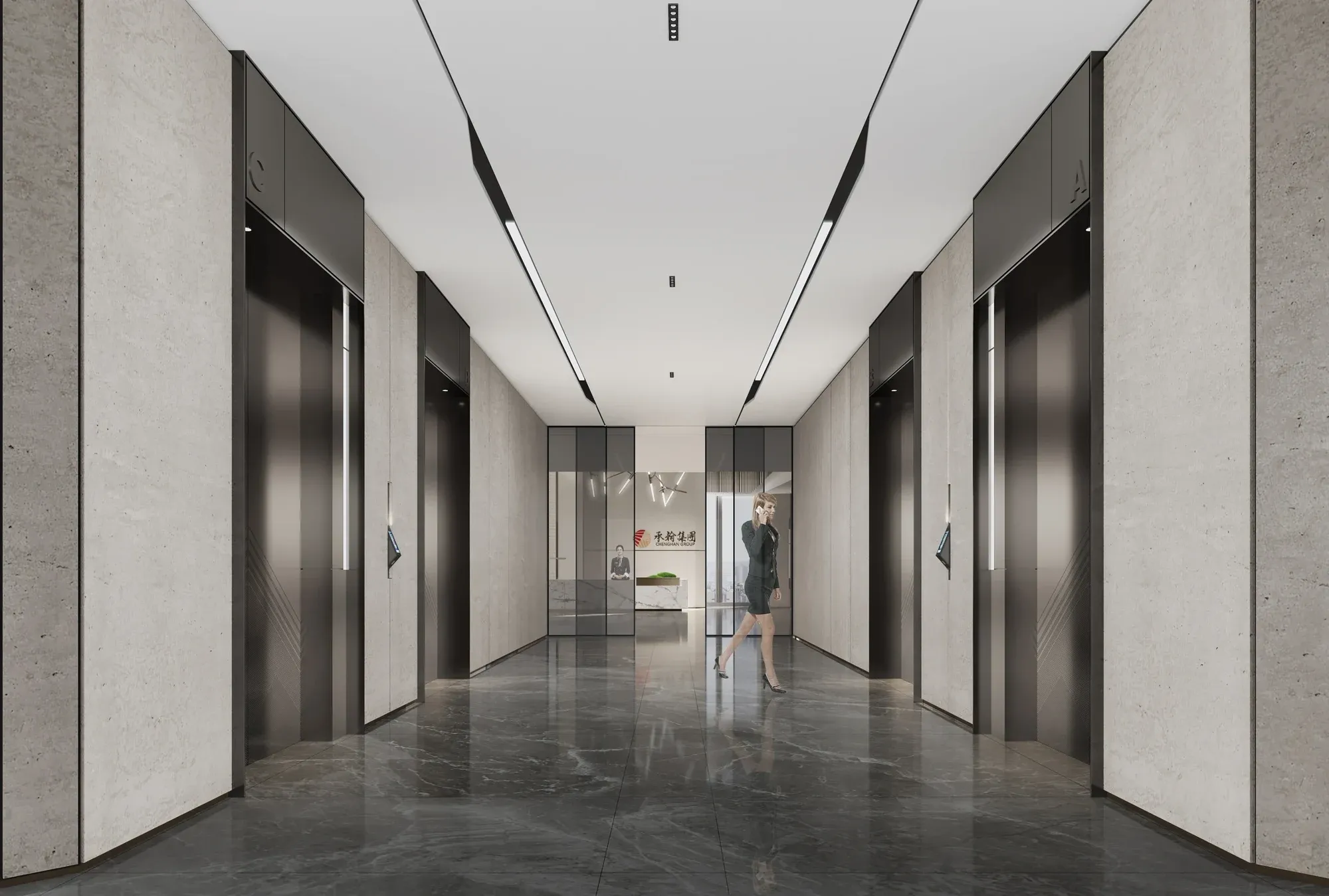
In Tokyo, where many hotels operate within dense urban environments, arrival design becomes especially important. Guests often transition directly from the intensity of the city into the calmness of the hotel environment.

A thoughtfully designed entrance creates immediate emotional relief—anshin-kan, a sense of ease and reassurance.


2. Spatial Flow & Zoning

A successful hotel lobby must function like a carefully choreographed environment.

Today’s hospitality lobbies are layered ecosystems combining:

  • Reception and concierge zones
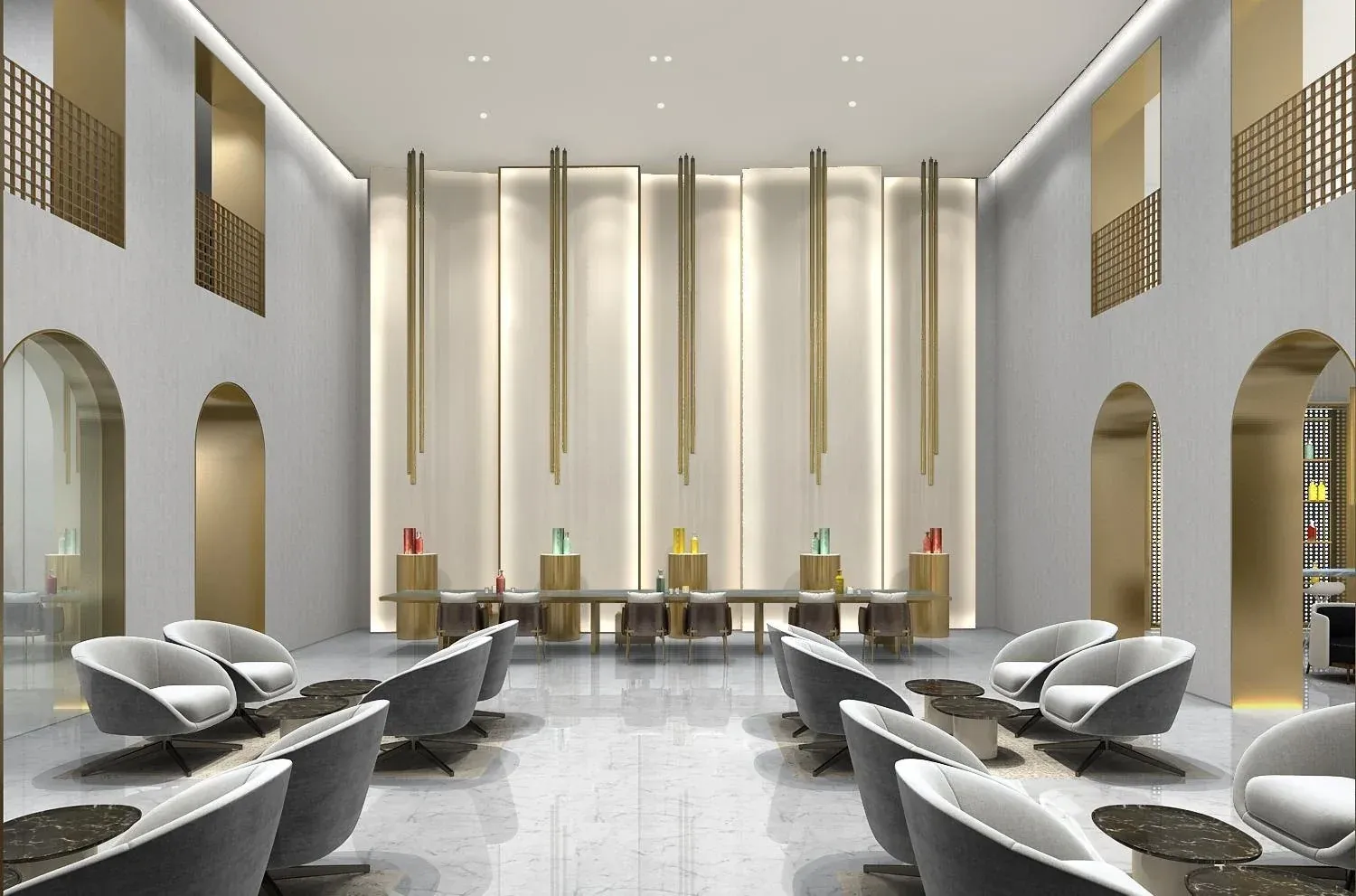
  • Lounge seating and waiting areas
  • Café or co-working spaces
  • Social interaction zones
  • Seamless circulation pathways

Each zone must feel connected while maintaining clarity and operational efficiency.

In Interior Hotel Design Tokyo, zoning is particularly important because many urban hotels operate within compact footprints. Intelligent planning allows spaces to feel spacious, elegant, and fluid despite density constraints.


3. Lighting & Atmosphere

Lighting shapes emotional perception more than almost any other design element.

Luxury hotel lobbies rely on layered lighting strategies:

  • Natural daylight for openness and calm
  • Warm ambient lighting for comfort
  • Accent lighting for architectural emphasis
  • Feature illumination for visual memory

Throughout the day, atmosphere should evolve naturally—from bright and energizing during morning arrivals to intimate and calming in the evening.

In Tokyo’s hospitality culture, where subtlety and mood are deeply appreciated, lighting becomes a form of emotional storytelling—akarui dake janai, not simply brightness, but atmosphere.


4. Materiality & Interior Detailing

Timeless luxury is expressed through texture, craftsmanship, and precision.

We approach Interior Hotel Design Tokyo through carefully layered material experiences:

  • Natural stone with understated elegance
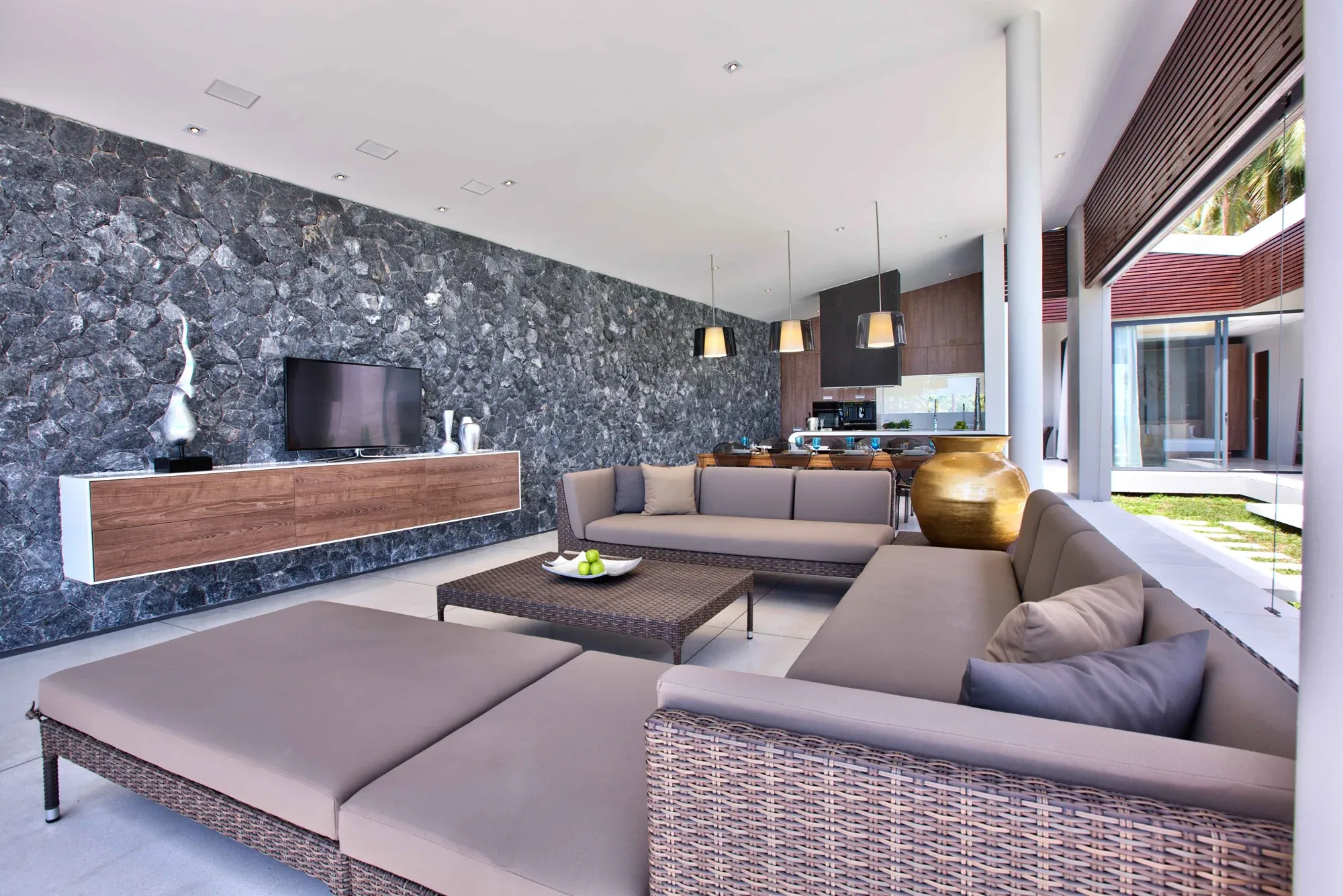
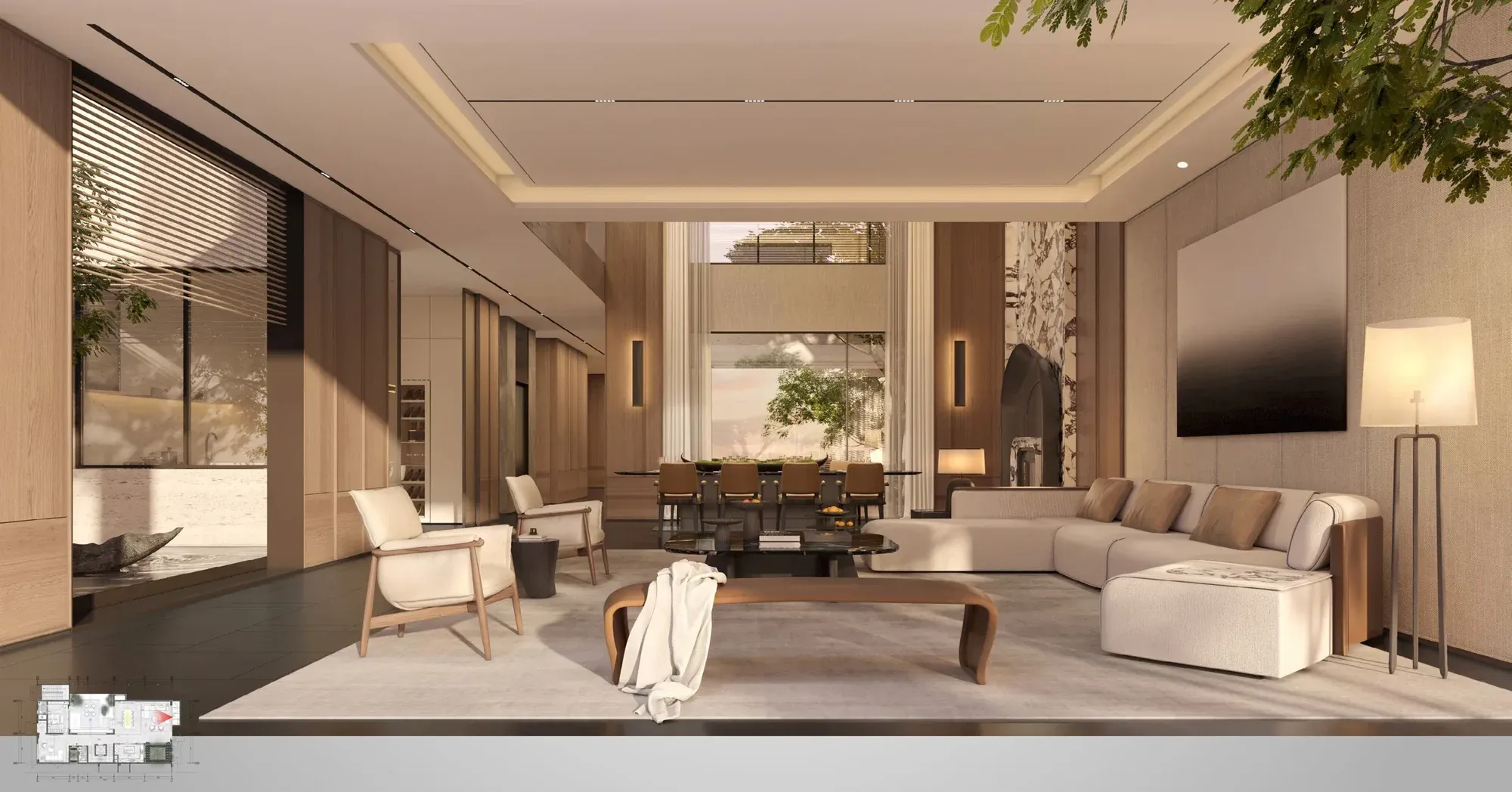
  • Warm timber textures that soften urban environments
  • Hand-finished surfaces and bespoke detailing
  • Tactile fabrics and refined furniture craftsmanship

Luxury today is increasingly defined by material honesty and restraint rather than visual excess.

In Tokyo, where appreciation for craftsmanship and detail is deeply cultural, every junction, texture, and proportion contributes to the guest’s emotional perception of quality—shitsukan ga daiji, material feeling matters.


5. Sensory & Hospitality Experience

The most memorable hotel lobbies engage all the senses.

True hospitality experience comes from:

  • Acoustic comfort and quietness
  • Comfortable seating and spatial proportions
  • Scent and air quality
  • Greenery and biophilic integration
  • Curated art and cultural storytelling

These subtle sensory elements shape emotional connection in ways guests often feel before consciously noticing.

A luxury hotel lobby should encourage guests to linger, pause, and feel emotionally grounded rather than simply passing through.


Luxury Hospitality Beyond Aesthetics

Beautiful spaces alone are not enough.

Successful hospitality environments must also:

  • Improve guest satisfaction
  • Strengthen brand positioning
  • Encourage social engagement
  • Support operational efficiency
  • Increase long-term property value

This is why hospitality design must be strategic as well as atmospheric.

In Tokyo’s highly competitive hotel market, where global luxury brands and boutique operators compete intensely for guest loyalty, thoughtful design becomes a business advantage as much as an aesthetic statement.


Designing Hotel Lobbies in Tokyo

Tokyo presents one of the world’s most sophisticated hospitality environments.

Designing hotel lobbies here requires sensitivity to:

  • Urban density – maximizing experience within compact spaces
  • International guest expectations – balancing global luxury standards with Japanese hospitality culture
  • Lifestyle-driven travel – where hotels increasingly function as social destinations
  • Operational precision – supporting efficiency without losing emotional warmth

In districts such as Ginza and Marunouchi, there is growing demand for hospitality spaces that feel refined yet emotionally calming—luxury environments that are immersive without becoming overwhelming.


Our Hospitality Design Approach

Every project begins with understanding the guest journey.

Our methodology includes:

Concept Development

Crafting a clear hospitality narrative and emotional identity

Guest Journey Mapping

Designing every interaction from arrival to departure

Spatial Planning

Balancing circulation, zoning, and operational functionality

Material & Lighting Strategy

Shaping atmosphere through tactile materials and layered illumination

Technical Coordination

Ensuring seamless integration between aesthetics and operations

Final Styling

Refining sensory details and emotional atmosphere

This detail-driven process ensures every Interior Hotel Design Tokyo project feels cohesive, timeless, and deeply guest-centered.


Our Perspective

At our firm, we believe luxury hospitality is not defined by spectacle. It is defined by how a space makes people feel.

Guests remember:

  • The calmness of arrival
  • The warmth of atmosphere
  • The softness of lighting
  • The comfort of materials
  • The emotional ease of the environment

These experiences are created through thoughtful spatial planning, sensory design, and hospitality-driven thinking.

This is what defines our approach to Interior Hotel Design Tokyo—creating timeless hotel environments that balance strategy, atmosphere, and emotional connection.


Rethink the Hotel Lobby Experience

The modern hotel lobby is no longer simply a reception space. It is a strategic hospitality environment capable of shaping perception, strengthening brand identity, and creating meaningful guest experiences.

If you are a hotel owner, operator, or developer in Tokyo, now is the time to rethink how your lobby performs—not only visually, but emotionally and operationally.

Let’s create hospitality environments that feel timeless, immersive, and unmistakably welcoming—spaces guests remember long after check-out.

Sustainable innovation hub with people at its core.

Connect with us in

Linkedin, Facebook, Instagram, Youtube,and more

Share
go top