Interior Design Tokyo: Redefining the Workplace for Gen Z in a Hyper-Digital City
Tokyo at a Crossroads: Tradition Meets the Future of Work
Tokyo has always been a city of precision, discipline, and innovation. From the corporate towers of Marunouchi to the creative energy of Shibuya and the tech-driven startups in Shinjuku, the workplace culture here has long been shaped by structure and dedication.Interior Design Tokyo
しかし今、その働き方は大きく変わりつつあります。
Today, Gen Z professionals in Japan are redefining what “work” means—seeking flexibility, purpose, and environments that support both productivity and wellbeing.
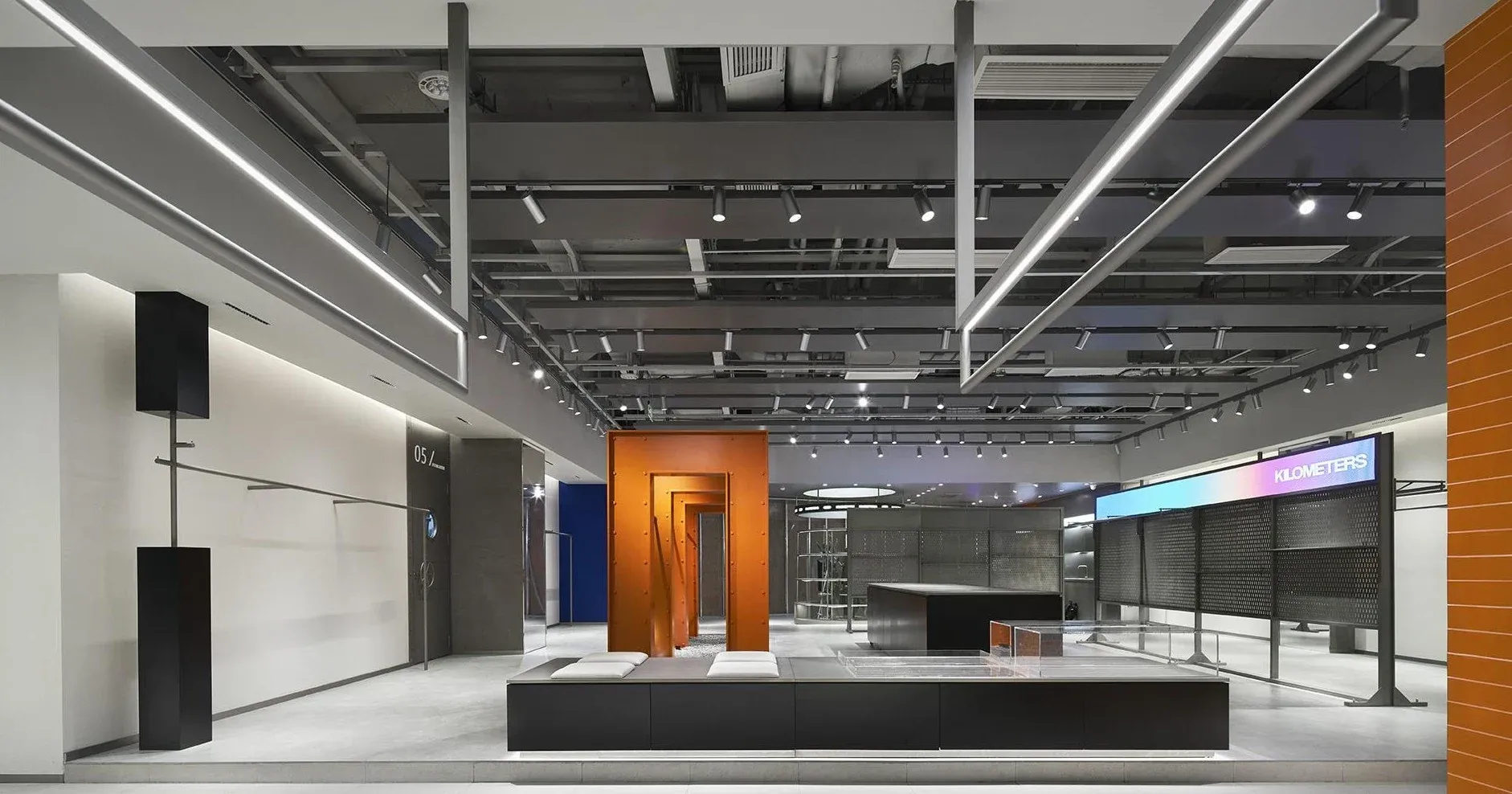
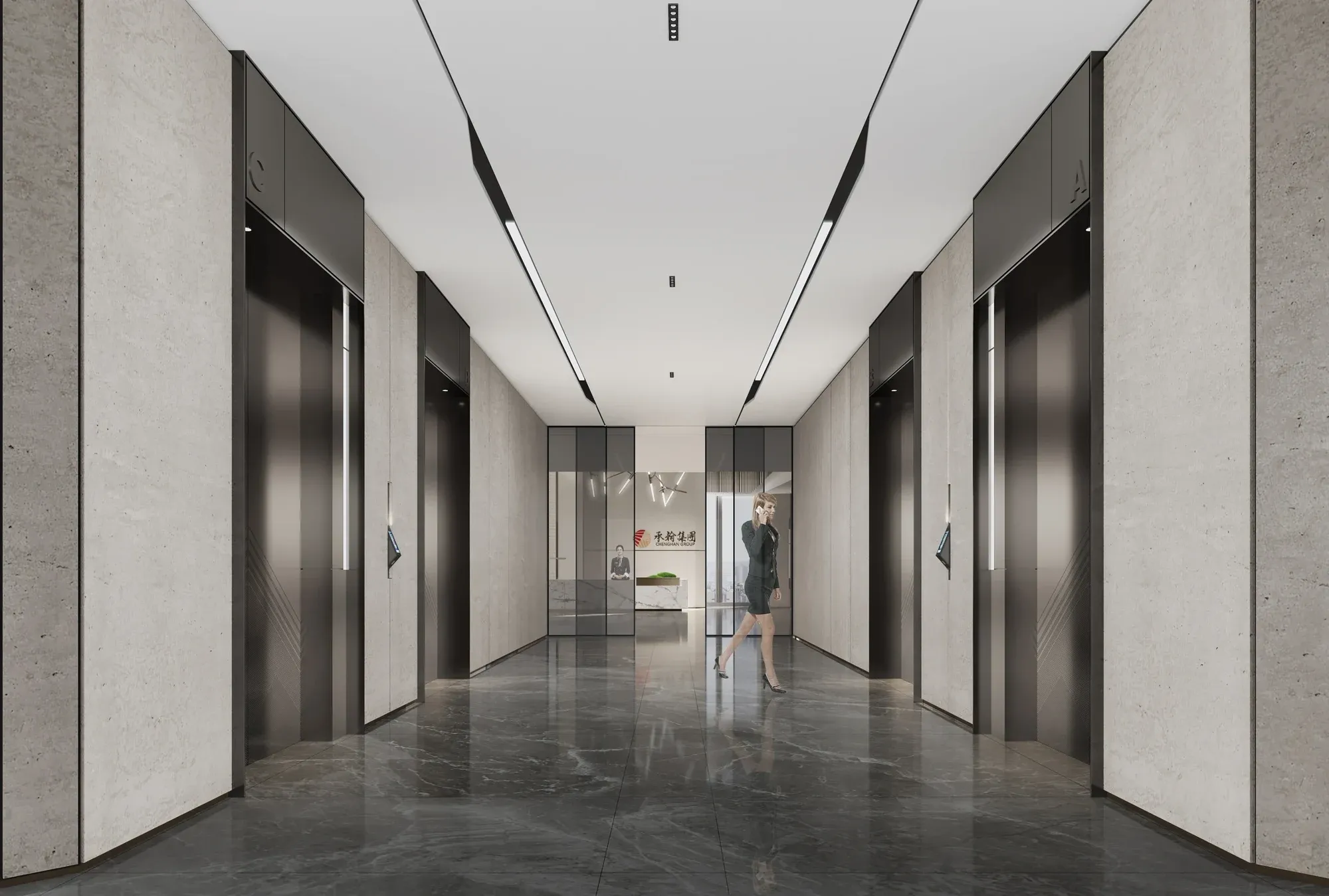
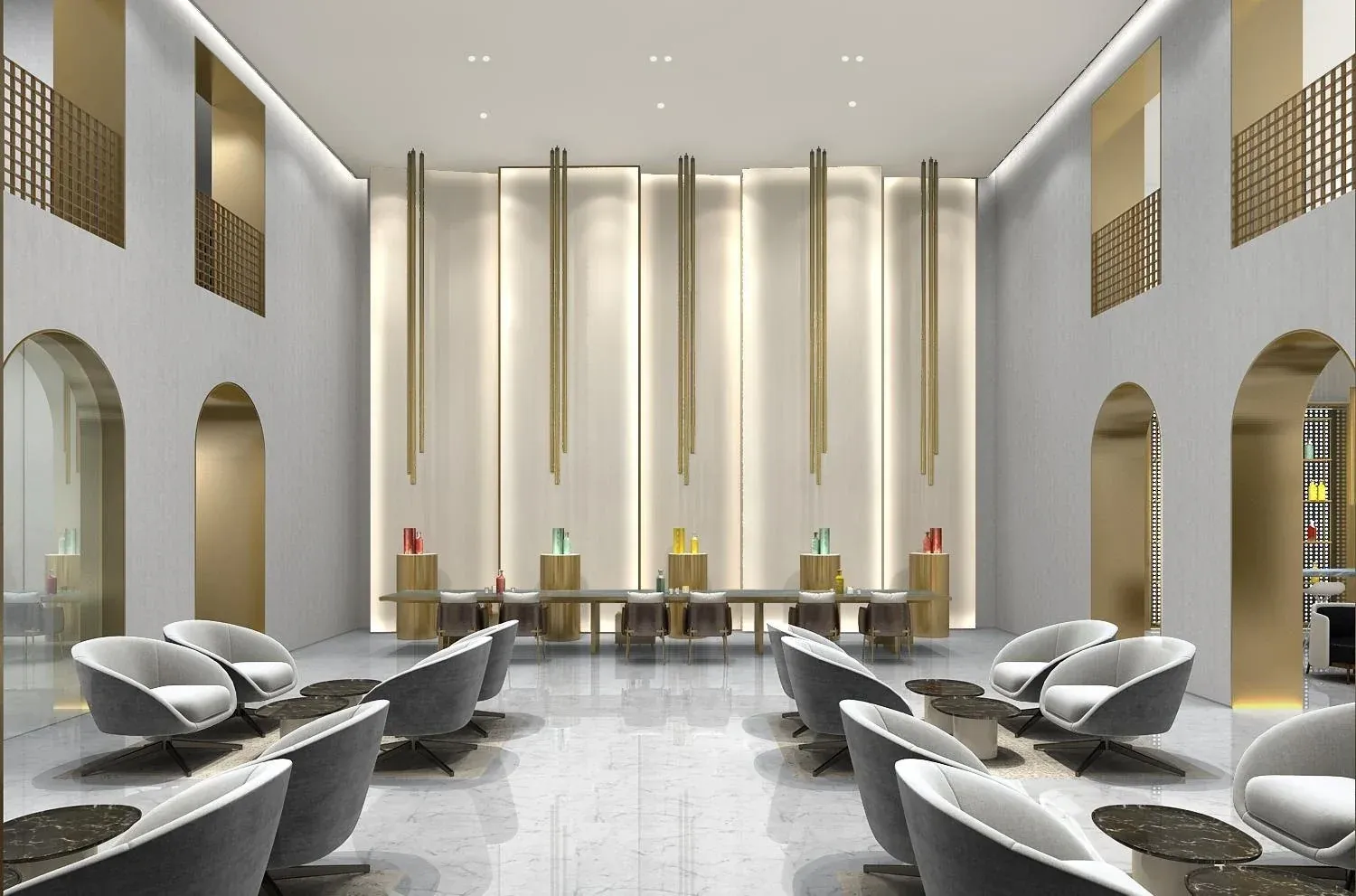
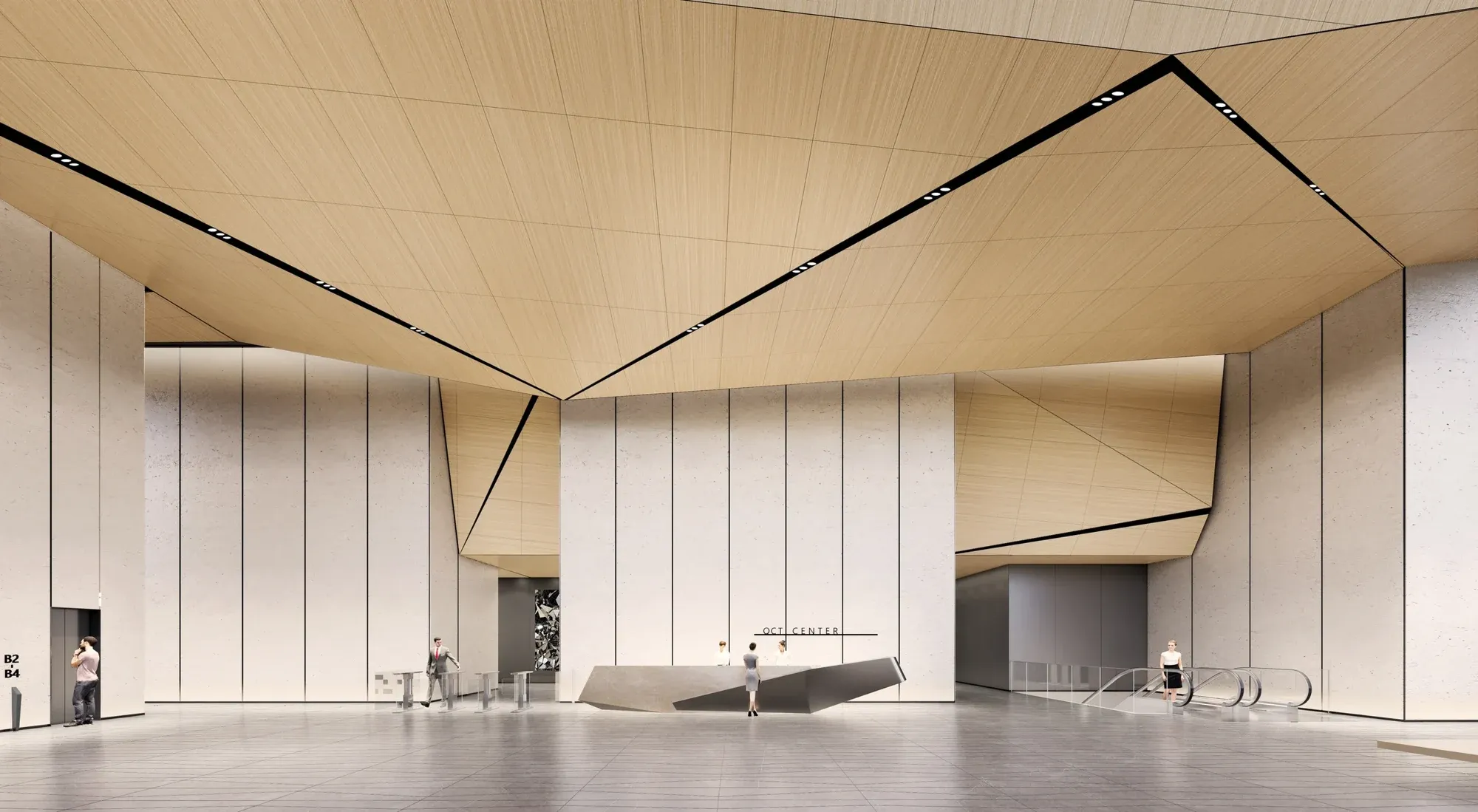
The traditional “desk-and-long-hours” office model is no longer enough. Companies are now rethinking their workplace through interior Design Tokyo, shifting toward more human-centric, flexible, and experience-driven environments.
Why the Old Office Model No Longer Works
従来のオフィスは効率性と階層構造を中心に設計されていました。
Rows of assigned desks, rigid meeting rooms, and long-presence culture (長時間労働文化) defined the workplace.
But workforce behavior has changed dramatically:
- Gen Z values flexibility over hierarchy
- Hybrid work is now standard, not optional
- Collaboration happens both physically and digitally
- Mental wellbeing is as important as performance
In Tokyo, especially among younger professionals in areas like Roppongi and Shibuya, there is a growing expectation for offices to feel more like creative ecosystems than corporate machines.
That is why interior Design Tokyo must evolve beyond layout—it must redefine experience.
From Traditional Offices to Activity-Based Working (ABW)
The future of work in Tokyo is Activity-Based Working (ABW)—a model where employees choose spaces based on tasks, not assigned seats.
ABW transforms the office into a flexible environment:
- Focus zones for deep work (集中スペース)
- Collaboration areas for teamwork and brainstorming
- Social lounges for informal connection (交流スペース)
- Quiet rooms for reflection and mental reset
これは単なるデザインではなく、「働き方そのものの再設計」です。
It allows employees to move naturally between focus and collaboration, improving both productivity and satisfaction.
Modern interior Design Tokyo embraces this fluidity, aligning with how Gen Z actually works—not how past generations worked.
Designing for Gen Z: What Tokyo’s New Workforce Demands
Gen Z in Japan is highly digitally native, globally aware, and value-driven.
彼らが求めているのは「ただのオフィス」ではありません。
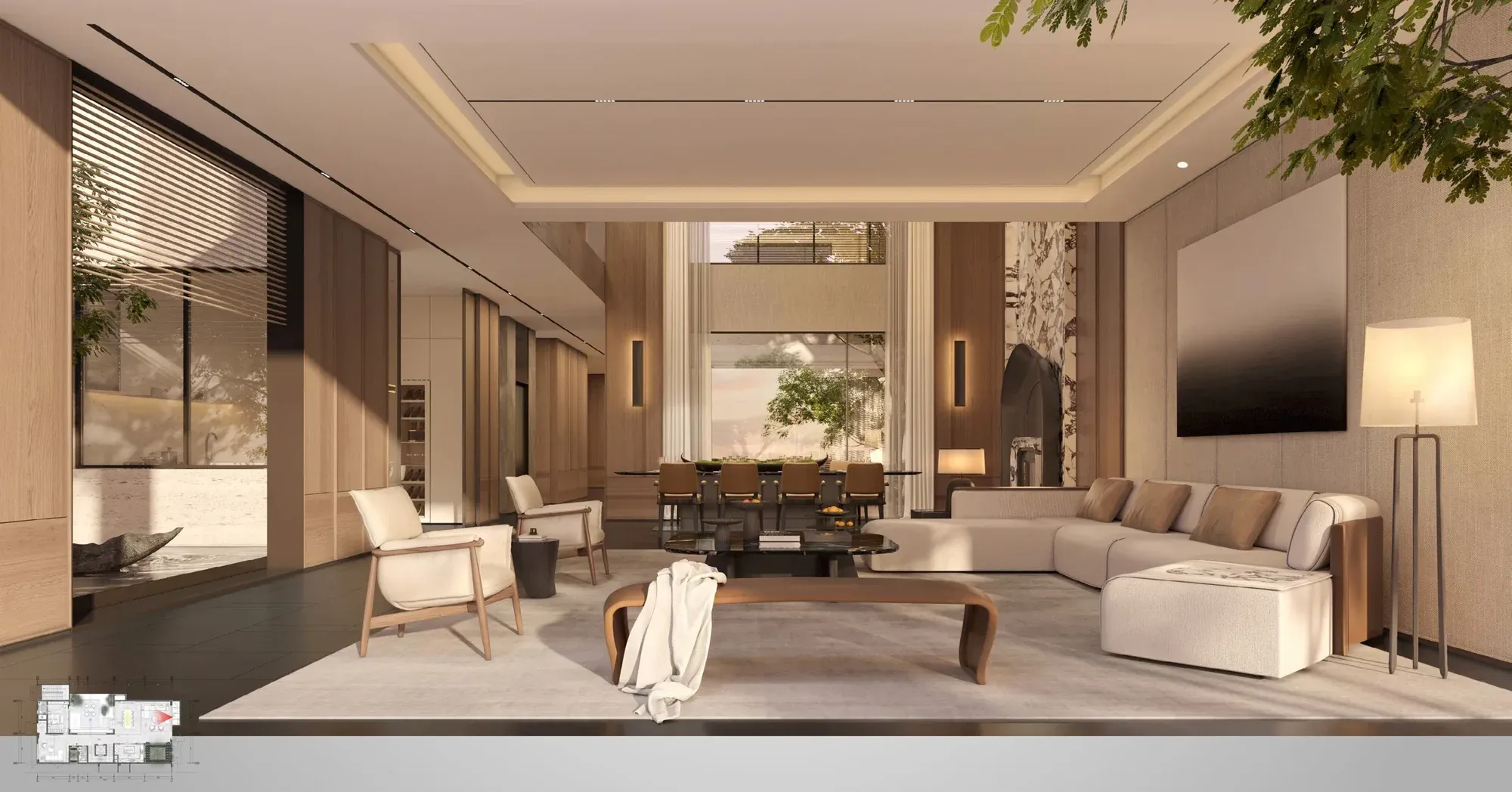
They expect workplaces that support identity, creativity, and wellbeing.
Key expectations include:
1. Flexibility & Choice
固定席ではなく、選べる働く場所。
Workspaces must adapt daily, not remain static.
2. Technology Integration
Seamless hybrid meeting systems, smart booking tools, and digital collaboration platforms.
3. Wellbeing First Design
自然光、空気の質、リラックスできる素材感。
In Tokyo’s dense urban environment, biophilic design becomes essential.
4. Purpose-Driven Culture
Offices must reflect company values—not just branding, but lived experience.
Tokyo Context: Space, Culture & Work Evolution
Tokyo presents a unique design challenge: high density, high cost, and high expectation.
丸の内では大企業の本社が進化し、
渋谷ではスタートアップが新しい働き方を生み出し、
品川や豊洲ではハイブリッドワーク対応のオフィスが増えています。
In this environment, interior Design Tokyo must respond with intelligence:
- Vertical space optimization due to land scarcity
- Multi-functional layouts for efficient real estate use
- Strong focus on acoustics due to density
- Integration of public/private hybrid zones
また、日本特有の「静と調和」の文化も重要です。
Design must balance openness with respect for privacy and concentration.
Flexible Zoning: The Core of Modern Workplace Strategy
In modern Tokyo offices, zoning is no longer fixed—it is dynamic.
Key spatial strategies include:
- Modular furniture systems for rapid reconfiguration
- Mobile partitions for adaptable meeting spaces
- Shared collaboration hubs instead of assigned rooms
- Soft boundaries instead of rigid walls
This approach ensures that interior Design Tokyo supports changing business needs without constant renovation.
Technology + Human Experience
Tokyo is one of the most technologically advanced cities in the world—but the workplace of the future must balance digital systems with human comfort.
テクノロジーだけでは不十分です。
Smart systems must enhance—not replace—human interaction.
Examples include:
- AI-powered space booking systems
- Hybrid meeting rooms with seamless global connectivity
- Environmental sensors for lighting and air quality optimization
But equally important is emotional design—materials, textures, and spatial warmth that make people feel grounded.
Sustainability in Tokyo Workplaces
Sustainability is no longer optional in Japan’s corporate environment.
環境配慮型のオフィスは、企業ブランドの重要な要素です。
Modern workplaces focus on:
- Low-carbon materials and circular design principles
- Energy-efficient lighting and HVAC systems
- Adaptive reuse of existing buildings in central Tokyo
- Integration of greenery and biophilic systems
Sustainability is not only environmental—it is also social and cultural.
Brand-Led Spatial Experience
A workplace is now a physical expression of brand identity.
In interior Design Tokyo, offices are designed to communicate:
- Company mission and values
- Innovation mindset
- Cultural identity
From entry experience to collaboration zones, every space tells a story.
“空間はブランドの言語である” — space becomes a language of brand communication.
Our Firm’s Perspective: Building the Future of Work in Tokyo
With over 20 years of global experience, our firm specializes in creating workplaces that connect strategy, culture, and human experience.
We offer end-to-end solutions:
- Workplace strategy & concept development
- Interior design and brand storytelling
- Technical design & documentation
- Fit-out and turnkey delivery
We work with corporations, developers, and founders who want more than just offices—they want performance-driven environments that attract and retain talent.
In Tokyo, this means designing workplaces that respect tradition while embracing the future.
Conclusion: Tokyo’s Workplace Revolution Has Already Begun
The future of work in Tokyo is no longer theoretical—it is already unfolding.
企業は今、単なる「働く場所」ではなく、「人を惹きつける環境」を求めています。
And Gen Z is leading this transformation.
Ultimately, interior Design Tokyo is not just about spatial planning—it is about shaping behavior, culture, and business performance.
The question is no longer whether workplaces should change—but how quickly they can evolve.
Connect with us in