01 / Understand
Define use, audience, site and investment priorities before choosing a visual direction.
SATU / TOKYO · 東京, JAPAN
Tokyo, Japan · English & Japanese
Interiors, brand experience and design & build.
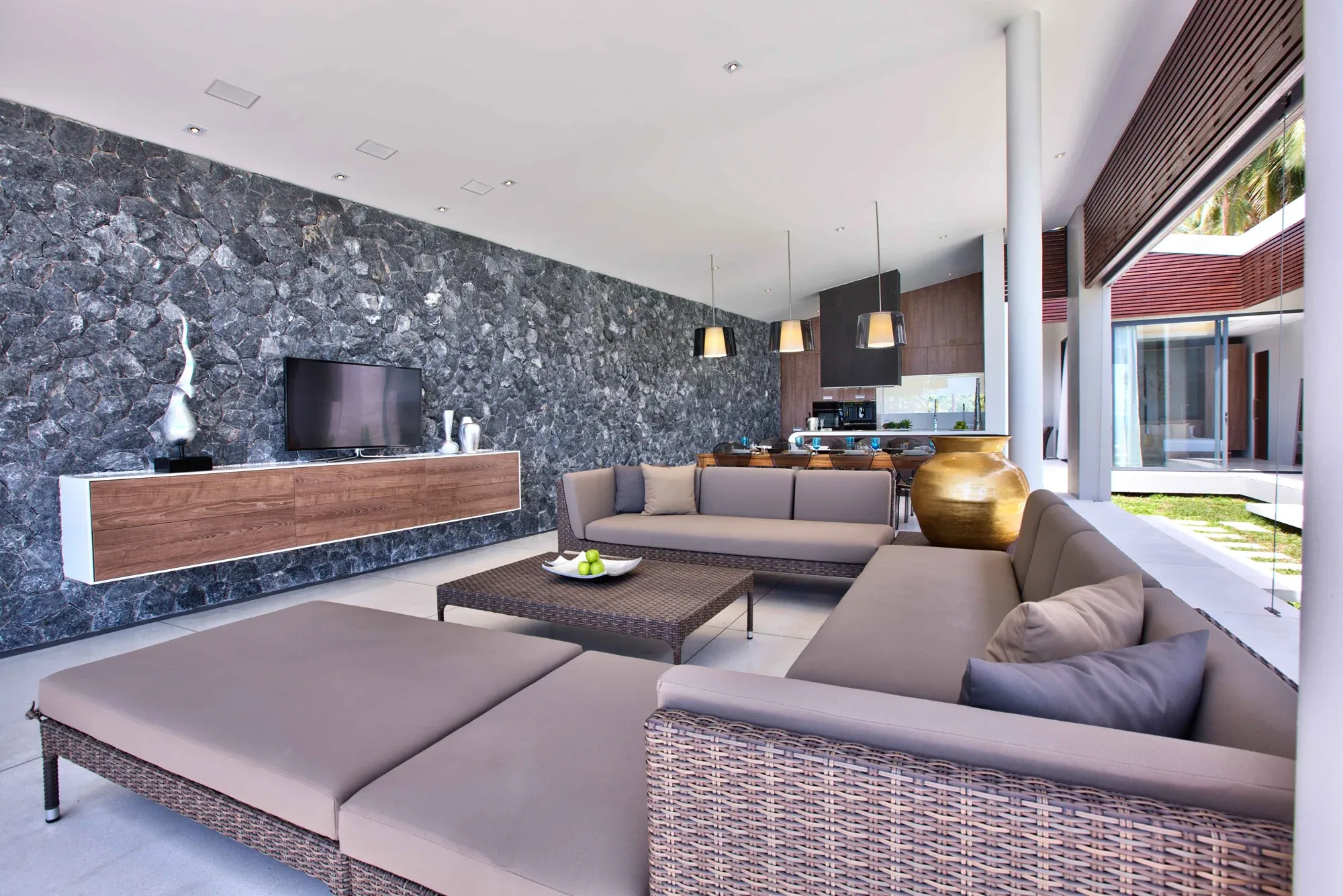
SATU is an international multidisciplinary design company established in 2011. We connect interior design, brand experience and project delivery across Asia-Pacific. For Tokyo clients, that perspective begins with a close reading of the brief, the building and the people who will use it.
Choosing an interior design firm in Tokyo means finding a team that understands both the experience you want to create and the decisions needed to realise it. Our approach starts with your priorities, then connects spatial planning, material, brand and delivery.
Meet SATU Design internationally ↗
02 / Expertise
Define use, audience, site and investment priorities before choosing a visual direction.
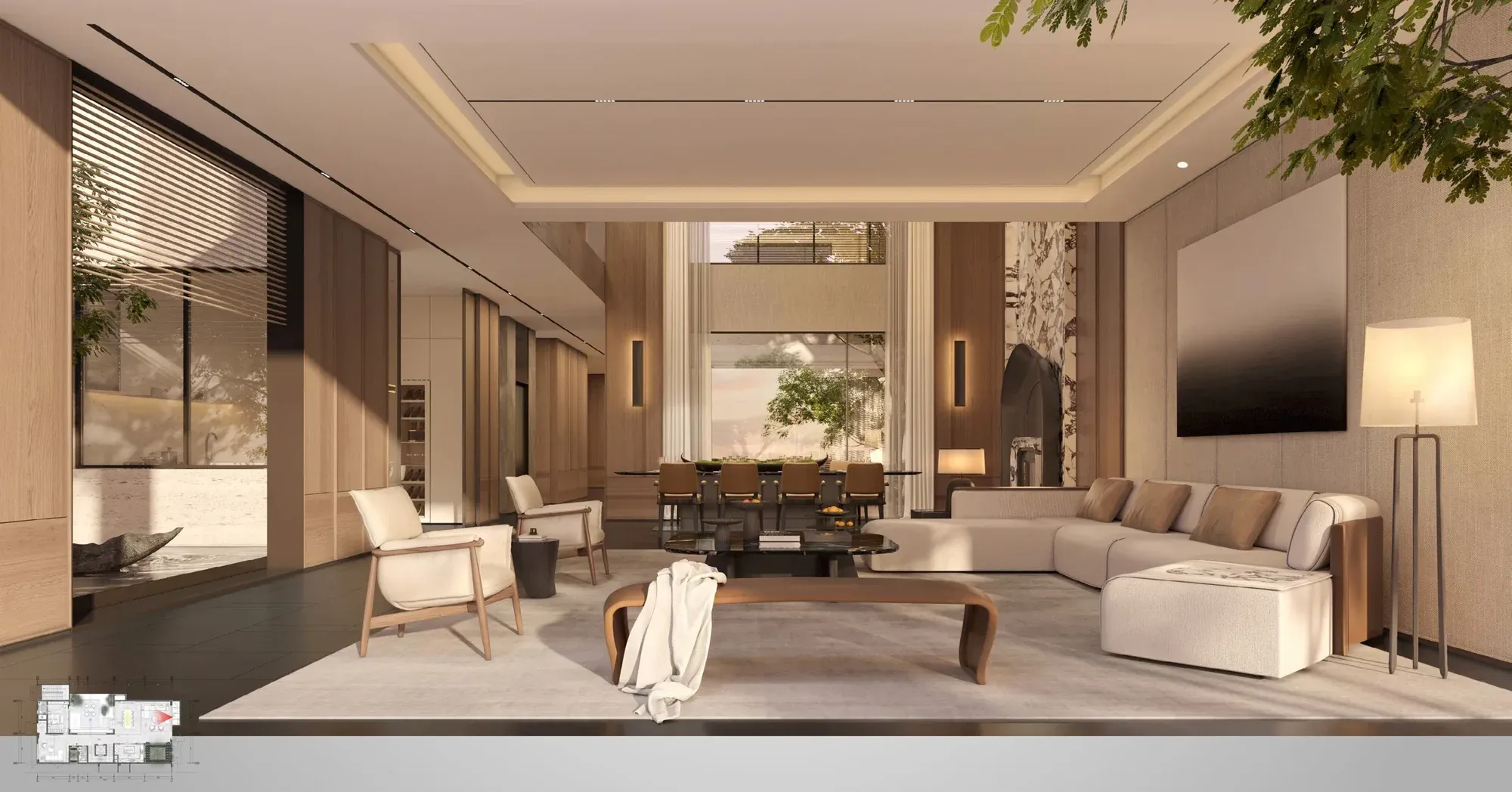
Compare layouts and material ideas against the brief; make the important decisions visible.
Connect the interior package with specialists, building review, procurement and programme.
Review execution, resolve outstanding items and prepare for the agreed handover.
03 / IDEAS
FAQ
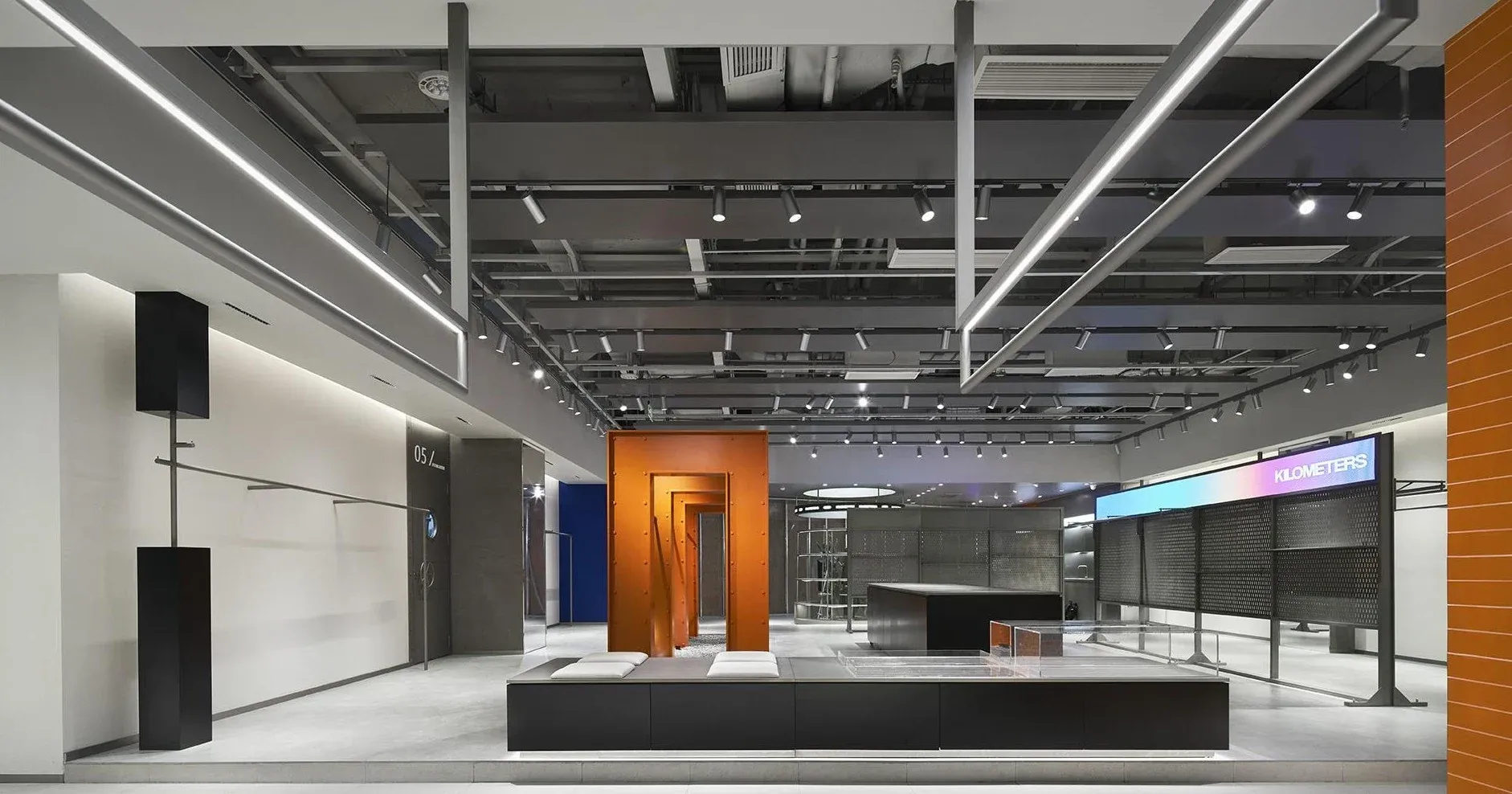
We work across commercial spaces, workplaces, retail, hospitality, restaurants and homes. Brand experience, spatial planning and delivery support can be combined around the needs of an individual project.
The website and enquiry brief are available in both languages. Tell us your preferred language and the people involved so that we can agree a practical communication and review process.
Ideally before finalising a property or committing to a fixed opening date. Early review can reveal layout constraints, specialist input and procurement needs that affect the brief. You can also contact us with an existing site.
Area, existing condition, services, joinery, finishes, specialist equipment and procurement choices all affect cost. We define the scope first and discuss allowances and exclusions before developing a project-specific proposal.
The programme depends on design decisions, building review, procurement and the construction scope. Share your target date and property information; we can then discuss dependencies and a realistic sequence rather than promise a universal duration.
A design-and-build scope can connect concept, technical coordination, procurement and implementation. The proposal sets out the delivery team, responsibilities, specialist appointments and the exact handover scope.
International experience gives the Tokyo practice a wider understanding of brand standards, different user expectations and coordinated delivery. Every Tokyo brief still begins with its own site, audience and priorities.
A short brief, location, approximate area, target timing and priorities are enough to begin. Existing plans and photographs help when available. Avoid sending confidential documents until a suitable sharing arrangement has been agreed.